My Child is Being Influenced. What should I do?
Watching your child be influenced by friends, social media, music, or culture can be scary. When you see their beliefs beginning to shift, the instinct may be to panic, lecture, or try to control what they’re exposed to. But those reactions can unintentionally push kids toward secrecy instead of bringing them closer.
Subscribe



My Child is Being Influenced. What should I do?
Watching your child be influenced by friends, social media, music, or culture can be scary. When you see their beliefs beginning to shift, the instinct may be to panic, lecture, or try to control what they’re exposed to. But those reactions can unintentionally push kids toward secrecy instead of bringing them closer.
In this episode, Mandy Majors welcomes Kim Elerick back for an honest conversation about helping kids navigate influence while keeping communication open. They discuss staying curious instead of reacting from fear, asking whether an influence is moving us closer to Jesus or farther away, helping kids ground their identity in being a child of God, and teaching them to examine ideas instead of blindly accepting what they hear online.
Ultimately, our kids will encounter voices and ideas we cannot control. Our job isn’t to eliminate every influence; it’s to help them develop the wisdom to recognize it, think through it, seek trusted people, and bring what they hear back to Scripture.
YouTube
Meet Our Guest
Kim Elerick joins Mandy Majors for another honest conversation about parenting, faith, and keeping communication open with our kids. As Mandy’s former co-host, longtime friend and a trusted adult in her children’s lives, Kim brings personal parenting experience and a practical perspective on helping kids navigate cultural influences while keeping their identity rooted in Christ.
In this conversation, Kim shares lessons from raising her own children, including navigating music, friendships, online influencers, difficult cultural conversations, and the importance of responding with curiosity rather than fear.
Sources & References
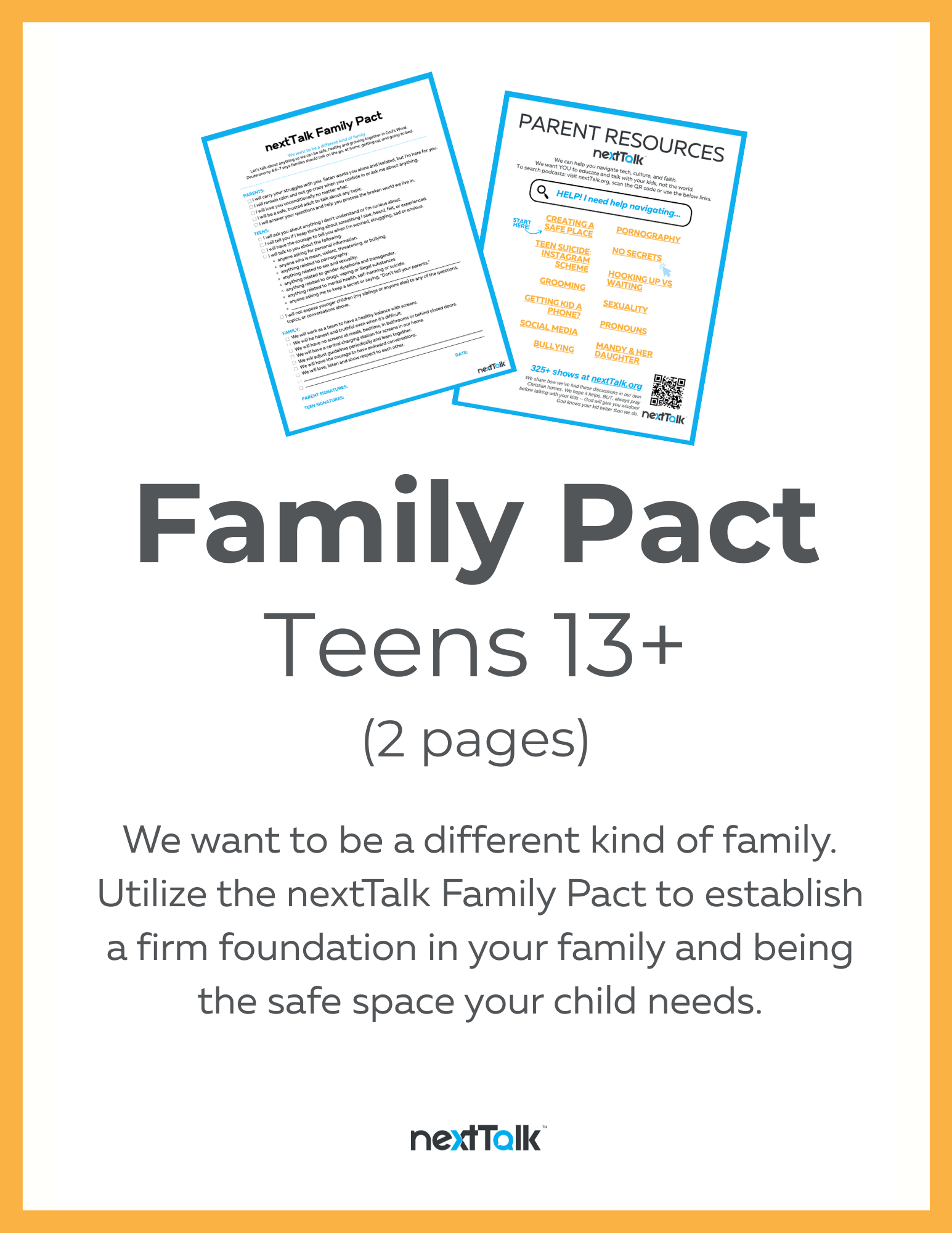
Free Guides
Additional Podcasts

Transcript
Parenting In The Influencer Age
SPEAKER_01 0:00
One of the things I’ve realized that I don’t think I saw coming until my kids got a little bit older is they live in this age of influencers and influence, the concept of it. And these are people who put forward a front or what they think the world wants to see. And I think our kids do that with us too. If we come at them with like, oh my gosh, like what are you doing? What is this? They will tell us what we want to hear. They become this person who puts forth what they think we want to hear to get us off their back. And that’s a dangerous place to be. It’s like you said, you know, they’re backing away, but maybe in a way that seems safe.
SPEAKER_03 0:39
Welcome to the Next Talk Parent podcast. I’m your host, Mandy Majors. Together, as parents, we’re learning how to navigate tech, culture, and faith with our kids. We share real stories and real hope as we fight to keep our kids safe in a digital world.
SPEAKER_01 0:57
We have the great Kim Elric back. You gotta stop that, sister.
SPEAKER_03 1:03
I’m just Kim. We want to do a show today because I receive so many messages of freaked out parents saying, I follow my kid on social media, I don’t like their friend group, and I see them getting pulled away, pulled away from the faith, pulled away from our belief system. Um, they’re being influenced by the world. So how do I respond? And when I get this question, I literally go back to those moments in my own parenting. And this one right here, my best friend, she’s she’s gotten the text and the calls. Kim, Kim, this is not what my kid is liking on social media. What is wrong? Well, it’s scary. It’s scary because you’re like they’re being swayed. You see in real time your kid being swayed.
SPEAKER_01 1:53
Yeah. And I think it’s natural for us immediately to rem a couple of things. Remember what it was like, you know, being influenced and how strong influence can take over your thought process, uh, your belief system, the way you interact with the world, your family dynamic. And then you apply that to your kid, and we can kind of project on them, and we can also come from a place of fear where they’re being influenced, we’re gonna lose them, they’re gonna not love Jesus anymore, and they’re it’s everything’s going downhill. And so we spiral quickly. And if we respond that way, instead of stopping the spiral, we create more of a storm. And that’s not what we want to do.
SPEAKER_03 2:35
That’s so wise. And you need a spouse and a best friend that when you can panic with and you can spiral, but that spouse or best friend and or both will bring you back to reality to be like, let’s breathe. Yeah, let’s breathe for a minute. Yes, we’re seeing this kid being influenced, but what where do we want to go from here? Because this is a critical time on how you respond, could send them all the way to the other side or help bring them back. And so some of the things we’re gonna share on this show today, like we’re not gonna tell, we’re gonna tell you some things we did wrong, but we’re not gonna share all the missteps we took. What we’re gonna share for our brief time is the things we saw that we did in our home that would bring our kids back to us and keep the lines of communication open because that’s the stuff that we learned that’s so helpful in these moments.
SPEAKER_01 3:29
Well, and this topic and so many, one of the things you know, we talked about in a show recently is getting curious and staying curious with your kids. Which, what we mean by that is when they come to you with these ideas or these concepts, or you see their behavior changing, or like you said, they’re following new people and have
Calm The Spiral Before You Speak
SPEAKER_01 3:48
these different friends, instead of coming at them from a place of fear, asking questions, you know, getting curious about, you know, tell me more about this person you’re following now. Um, oh, I noticed you’re hanging out with this person. Like, what’s going on there? They I like their hair. Like, tell me more about that. Are they into that? You can just keep it real surface level at first so that they feel comfortable in opening up conversation with you. You want them to know you’re still there to talk with them about it, that they’re you’re not gonna harp on your opinion and what they’re doing wrong, and that you still love them right where they’re at. And that can start with just being curious about this change you’re seeing in them.
SPEAKER_03 4:29
But I think what often happens is we freak out, we want to control everything they’re being exposed to. And we tend to go into helicopter, bubble wrapping. Yes, all the things that makes them then be sneaky. Yeah, open up second Instagram accounts to go follow those accounts we don’t want them to follow, or just go down a path because it’s like, well, if mom is so afraid of this, why is she so afraid of me seeing this? And I do think we have to have a mind shift in our brain of almost like trust God with your kid, like trust the Bible that if we dig into the Bible here, that God is gonna lead your kid to the right place. Yeah. Um, but but we don’t do that. We I I mean, we haven’t done that. We we’ve messed this up.
SPEAKER_01 5:17
Yeah, let’s be honest here. Where this show the show would be so long if we shared all of our missteps.
SPEAKER_03 5:22
Where we’ve had to hold each other accountable, though, and go back to our kids and apologize. Once we realize that we’ve freaked out and we’re shutting down the conversation and they’re pulling away even more, you know, that’s when we’ve kind of had to hold each other accountable. And I mean, we’ve we’ve had some moments where I’ve had many a moment. I’ve called you and I’ve said I’ve really messed this up to see how I responded, and you would be like, Oh, Mandy.
SPEAKER_01 5:44
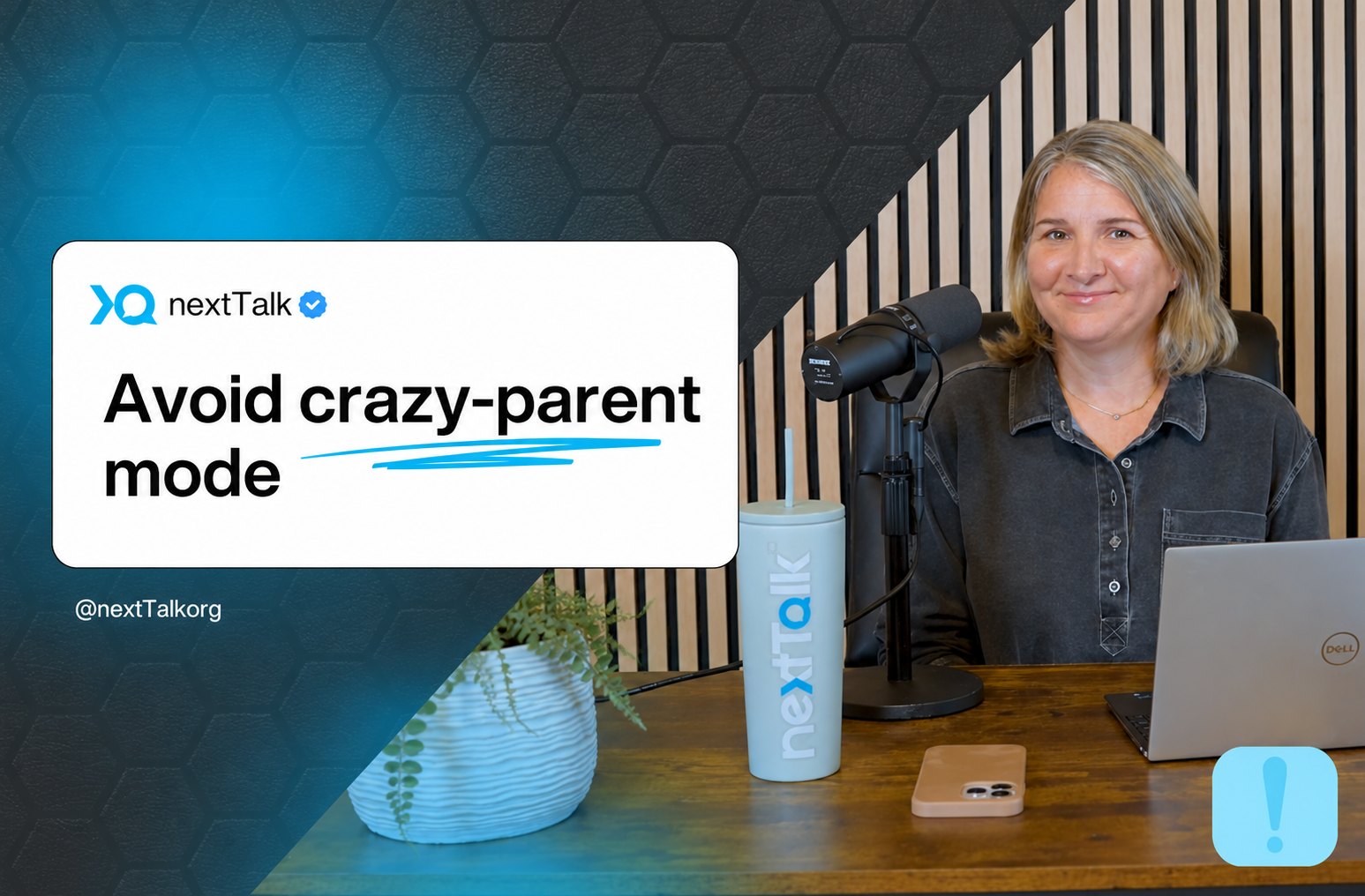
No, that’s crazy parent mode. Well, and because we have that relationship though, which you know that’s key, you know, in having someone that you can just be real with, you know, that iron sharpens iron. I it just this just came to me, but one of the things I’ve realized that I don’t think I saw coming until my kids got a little bit older is they live in this age of influencers and influence, the concept of it. And these are people who put forward a front or what they think the world wants to see. And I think our kids do that with us too. If we come at them with like, oh my gosh, like what are you doing? What is this? They will tell us what we want to hear. They become this person who puts forth what they think we want to hear to get us off their back. And that’s a dangerous place to be. It’s like you said, you know, they’re backing away, but maybe in a way that seems safe. Like they tell you what you want to hear to make everything seem all right so they can keep on doing what they want to do. We don’t want to put them in that position. So we want to create a space where we’re asking them about it, being curious, starting the conversation.
SPEAKER_03 6:49
It creates kind of like a double life. It does. Because they’re like, well, I don’t want all this drama here. Yes. They’re seeing me like these posts and follow these people. And so if they’re gonna react this way, I’m just gonna go do it over here in secret. And the one, the the account they’re looking at, I’ll be very kind and tell them what I want to do.
SPEAKER_01 7:07
All the things, quote the Bible verse.
SPEAKER_03 7:09
Yeah. We we know how that goes. So I like what you said, being curious. You know, that’s a Jamie Marchand, she’s a licensed professional counselor that comes on our show. Uh that’s kind of her clause. Yeah. But it it’s really important just to keep the conversation open. So let’s dive
Why Control Creates A Double Life
SPEAKER_03 7:26
into uh a couple things. You know, one of the things that I thought about here on being being influenced was music, because with Carter’s previous show that he just did, I was really shocked that he said music was the biggest threat facing kids today. Uh uh, because we’ve gone round and round about music in our home.
SPEAKER_01 7:47
Yeah. Well, and I think it depends too. Um, you and I have had this conversation specifically about music. Music is not necessarily your driving force, it’s not like your big thing, your biggest thing. I feel like I could tell you my whole life around songs. Like music just moves my soul, and it’s the soundtrack of my life. And I have a kid that’s like that. And this has come up just like you said, and just like with your son, it is a question on what they’re listening to, the words in it, bad words, good the scenarios, because sometimes they’ll say it’s a clean song, but they’re talking about things. Maybe they’re not using bad words, but they’re talking about things and situations that are not good for your kid to be hearing. And so this I think is a huge conversation in our homes and with our kids because music hits different, you know, it digs deep in your soul. And I feel like it’s a beat, you get it. It moves your body, your brain. And so I I don’t know. For us, instead of changing us, my son and I took the kind of the path of let it challenge us because we love music so much. And so finding music that moved us, that hit different like the other music did, yeah, but that um maybe the words and the concepts were more aligned with our beliefs. And it wasn’t easy. And you know, a lot of times we’ll go back and um want to listen to something that isn’t necessarily great, but I think we can apply this to a lot of different things instead of letting it change you, challenging you to find a new way that aligns with what is a better choice.
SPEAKER_03 9:27
Yeah. You know, one of the points that we that we came up with that I think is very important here is we’re all influenced by something. Music, movies, uh, you know, things we’re allowing into our heart and mind. And asking your kid, is this like this is something that we’ve learned that has worked in our home? And when we asked our kids this, they rolled their eyes. But but Carter’s show is a testament that he heard it. Yes, it got it and got it working on him. Yes. And so one of the things we we asked them is, is is this influence is it moving you closer to Jesus or farther away? It’s such a great thing. Like, is it making you a better person or a not better person, right? Is it making you think good things or bad things? Like in Carter’s show, like he was talking about lust and objectification, right? Like those aren’t great thoughts. Those are sinful thoughts. And so we have to kind of ask ourselves that. And and this puts us in a situation because our kids can come in watch seeing what we’re watching on Netflix.
SPEAKER_01 10:37
Yes.
SPEAKER_03 10:38
And this is where we have to be the model here.
SPEAKER_01 10:41
Yeah. It’s um, as we say at our house, um, it’s so much work because it is sometimes it’s work to really step back and say, Lord, what are you calling me to do? Not just in my relationship with my kids, but with you. You know, what are you calling me to cut out, to change, to be an influencer for your kid? You’ve got to do the work internally. And that is work because it requires sacrifice. It requires being honest about what you believe and trusting that the Lord will fill those spaces for you. Um, and that’s not that’s not an easy thing to do. It’s a look in the mirror moment.
SPEAKER_03 11:18
It is, it’s an accountability, an iron sharpens iron, just all the things that we were just talking about here. Um, but it’s hard work. It is, it’s hard work. I had a I had a sweet mom recently, young mom, and she stopped me and she said that she hadn’t heard that conversation on the podcast about music. And she said the other day, I was driving my young kids in the car and I had a song on that I grew up with. It’s just a fun song for me. And she said, all of a sudden, one of my kids started saying the lyrics, and I realized, uh oh, this these are not good lyrics for my son. And she said, I literally thought about that podcast and I switched the channel. And then my kids asked me why. Oh, and so she said it was a whole conversation about protect your heart and mind. And I have to do that. I fall into this is so such a fun song, and it doesn’t mean much, but those thoughts are seeping into my brain when I let those lyrics in.
SPEAKER_01 12:18
Oh, and you said just such a key thing there with the little ones. You saying, you know, she turned the channel and they asked why.
SPEAKER_02 12:24
Yeah.
SPEAKER_01 12:25
And a lot of times our default is, well, just because don’t worry about it, and let’s listen to something else. Yeah. And then we move on. And our kids, you know, they kind of forget and they move on as well. She took the time to explain the why behind why she was making that choice, why she was turning off the music. And that’s where you get to plant those seeds when they’re little. And it seems like not a big deal, and you just want to move on from it. But taking the time to explain the why and you know, your heart and mind and protecting it is how you prepare them for these bigger conversations when they’re older, like our kids.
SPEAKER_03 12:56
And it was simple. Like it was a five to ten minute conversation, but it mattered. It mattered. And I it just blessed me so much. So that’s that’s point number one. Are your influences moving you closer to Jesus or farther away? This also is talking about the games you’re playing on Xbox, your YouTube, your YouTubers that you’re following, the influencers that you’re following on social media. I mean, I had I had to unfollow some accounts recently because I was like, this is just putting too much in my brain that is not healthy.
SPEAKER_01 13:26
Why am I taking everything out of their packaging and putting it in clear containers in my pantry? Like I was influenced to make everything look so fancy. We’re going to pantry or something. What am I doing? Yeah, I mean, what am I doing here? And I know that seems silly.
SPEAKER_03 13:40
You’re spending $800 on pantry containers, right?
SPEAKER_01 13:44
Yes, like it’s, you know, that’s a silly example, but it’s so true. How easily, when I when I sit back and think about that, I’m like, what am I what am I doing here? Like it comes in a container. It’s fine. But you apply that to the bigger things in life and your kids who are just so malleable, they’re at this place where everything can matter to them and influence them. And then we are influenced so easily, then we have to, you know, have some compassion for them and understand where they’re coming from and help walk them through what they’re seeing and what they’re hearing and how it can influence them, and then teach them ways in which they can see and recognize that themselves and turn the corner. Yeah. Because we can’t be always be there, you know, to say, okay, this is bad. We need to guide them in a way to ask those questions of themselves. Is this moving me closer to Jesus or further away? That’s the goal. Teach them and then guide them so that they can do it on their own.
SPEAKER_03 14:37
We should be asking ourselves about everything. Yeah. Like, is what I’m doing here a good habit to move me towards Jesus or a bad habit? Yes. Like it’s it’s more than just influencers too. Yeah. But it’s a good thing to say to your child. And I I want to say this too. When you say this, you know, I’ve
Music And The Question To Ask
SPEAKER_03 14:54
said this through the years to my child. This is not something I say every week. Don’t nag them to death about it. Very true. But this is when it comes up, you pose this question. I would say this about their friend group. I would, you know, and I would say it once and then back away and then pray that God would show them something. Yeah. Right? Because we’re not the Holy Spirit to our kids. The Holy Spirit is the Holy Spirit to our kids. So we’re just a guide and we we drop these little questions to hold them accountable. And then we step away and don’t nag them and let them figure it out. And they’re they will fail sometimes.
SPEAKER_01 15:32
And they need to. They need to. And and I think on the other side of that, when the Holy Spirit does show them something in their friend group or uh in a situation with something they’re watching or doing, and they come to you, that’s again another pivotal moment where you don’t want to take the re you know, take the road of, I told you that was gonna happen. I tried to warn you to protect your heart and mind. Please don’t do that. No. I mean, and we’ve, you know, we’ve been guilty of not responding well, of course, but that is such a special moment. It is an answer to prayer. Number one, recognize you have prayed the Holy Spirit would speak to your kid, and they did. So, first it’s a praise internally, then it’s a praise externally. I’m so glad that you were able to see that. It’s amazing how the Holy Spirit can show us things, and that’s so cool that you are seeing that for yourself. You’re maturing. Yeah. Wow, you’re becoming like an adult. Thank you for sharing that with me. Yeah, just and don’t go on and on. No, like, oh, let’s quit analyze all your other friends. Grab a quick hug. Yes, move on. Yes. And and that will set the tone for future conversations with them.
SPEAKER_03 16:42
That, you know, this is such an important point because so many times we want to make it about us and us and who’s right and who’s wrong. It was already humbling for your kid to come and tell you something that you’ve tried to speak into them. That’s humbling. Yes. And we should be super proud of them. I mean, I think about it with my own husband when I mess up and I have to humble myself and like apologize to him, even though I want to be right. It’s humbling, right? Oh, yeah. And I met with open arms. It’s okay. I love you the same. Yeah. Just like God would honor us. And so it’s really good not to do the I told you so or I tried to warn you. Yes, please do not do that.
SPEAKER_01 17:21
Can you imagine if the Lord did that every time we messed up?
SPEAKER_03 17:23
Oh my gosh. We wouldn’t want to be followers of Jesus. Exactly. Because it would be it would be awful. Yes. All the time. Okay. So, so point number one, um, are your influences moving you closer to Jesus or farther away? That is just a good general question to ask about everything. Okay.
Sexuality Labels And Core Identity
SPEAKER_03 17:41
I want to move into, you know, we’re using the example of music, but I do want to talk about sexuality here because I think this is a big one in today’s culture. And, you know, I remember one of the first conversations with my kids about sexuality, and I was so scared about it. And not a lot of pastors were talking about it back then. Yeah. I felt like I was on a lone island trying to parent this thing on my. I mean, we we had many conversations about how to approach this in a truthful and loving way. And so um, you know, one of the first conversations was, hey, what is bi? What does that mean? Because everybody at school is bisexual. Yeah. And the first thing out of my mouth was because we were in the school drop-off line. Like I didn’t have time to get into this big conversation with my kids. But one of the first things I said was, I want you to be kind, I want you to be nice. I don’t want you to bully. And this is the point that I want to, that I really want to highlight here because this is very important and it’s our next talking point. Please do not label yourself something you do not understand. I think that right there, I have seen that help my kids in so many different um influence spaces, but really about the sex and sexuality and like where do I fit? Because it’s almost like a rite of passage now that every child will think, Am I gay? Am I bi? Am I trans? And and they’re like checking boxes. And what we want to say is don’t label yourself something you you can’t you don’t understand. And then as they got older and they understood what it was, then that conversation evolved to give yourself time for your brain to fully develop before you label yourself something like that, right? Like your only identity right now is child of God. That’s who you are. And then as you get older, your brain develops, you see more of the world, then you can pick up additional labels, right? Because now we’re wife, we’re mom, we’ve picked up other labels that are safe for us to pick up, but our identity, our foundation is in Christ.
SPEAKER_01 20:00
I mean, that’s kind of a drop the mic moment because that is the bottom line, is we want them to walk out into this world and they will be influenced by all these different things. They will face all these opinions and scenarios and circumstances that will cause them pause. Like, oh, is that is that me too? Am I like that? Or do I think that? And like you said, sexuality is a big one, but also like political realms, all kinds of different things, even things like um nature and like how they feel about global warming. I mean, all kinds of issues will challenge their thought process. And if they know in the moment the only thing they’re responsible for is that they are a child of God, I feel like it frees them up to put it on a shelf for a minute. Like you’re saying, give it a minute. You can be kind and compassionate and hear people out, but it doesn’t mean you have to take sides. And I think that helps our kids when they’re younger. I also have had this conversation with my kids in this same realm about your emotions. And, you know, we’ve talked about this before. Emotions are real, but they’re not always true. And that has helped so greatly because you may know, okay, I’m a child of God, but man, I’m really feeling the same way this person’s feeling. And gosh, I’m so drawn to this thing. It must be real. And so, again, being able to step back and say, Yes, I feel those things, but it doesn’t have to define me. Let me pray about this, let me read scripture, let me step away from it and ask people who have been there, who have wisdom, hopefully your mom and dad, people who are trusted, uh, inner circle people, and get some perspective instead of being drawn into something that can change your whole life.
SPEAKER_03 21:47
You know, it’s one thing to have empathy. We should all have empathy. But you know, there’s this new definition of toxic empathy where it’s kind of defined as you’re so empathetic that you say sin is okay, that you that You say everything is okay. We justify everything. We justify everything because of our feelings and our and our empathy. Yeah. And this is Satan. There’s there’s a verse, it’s Ephesians 4:14. It says, Satan tries to trick us and influence us with lies so clever they sound like the truth. We are trying to be influenced by lies so clever they sound like the truth. This is empathy, is like that because of course we want to be empathetic. Yes. Jesus was empathetic. He met people where they were, he led with love. But then he would say to them, Go and sin no more. That’s not good for you. And toxic empathy can’t do that. We can’t get to the point where we hold people accountable. The iron sharpens iron. The love and truth balance. The love and truth balance. And so, and and that’s one of our next top core principles around here. You guys can go listen to that show, develop moral compass and default to love. That’s that truth and love balance that we’re talking about. We did a show a while back that was if your child is struggling with their sexuality or gender, here are four steps. Yeah. Go listen to that show if you’re if your child is struggling, because step one is you got to love your kid unconditionally. Okay. Step two is a question you ask them. When did you start feeling this way? That is the getting curious. Yes. Instead of just saying this is wrong, you can’t be this way. I’m shutting this down. I’m freaking out. That is not the right response. No. Um, and I also want to add this. Kim’s like, oh, she’s on her soapbox. I can love it. I can see it on your face. You’re like, she’s going. She’s going. The other thing is this parents, your kids need to see you love people who are different than you. Yes. They need to see you love people who are different than you. As Christian parents, please do not ban LGBTQ people from your home or your kids’ sport. Please don’t do that.
SPEAKER_02 23:56
Yeah.
SPEAKER_03 23:56
That is so unhealthy. And your kids need to love people who are different than them. They need to be able to see you model this in life and live it out.
SPEAKER_01 24:11
Well, I’m going to be real. Like I can tell you, I had to ask myself, and I continually have to ask myself this question. Are my kids seeing me judge, joke, and exclude more than include and honor and accept? And when I say accept, I don’t mean agree. Affirm. You don’t mean affirm. I mean just accept that this is a child of God. Yes. And I will love you where you’re at. You will know truth from me and not affirmation, but I will accept you as a child of God. And a lot of times my answer is no, because especially the car is my safe place, and I’ll see someone or hear something, and I’ll be like, oh my goodness. Like even just my actions and my face are saying to my kids, mom is judging that person. Mom has these thoughts that there are not including them or wouldn’t invite them to dinner or whatever it might be. And they’re right. They’re right. And so sometimes I get down that path and I have to pull myself back and say, what am I doing that’s influencing my kids just by my actions and my opinions and my comments? Like slow down on the comments, mom. Like seriously.
SPEAKER_03 25:18
Well, you know, just how you said we don’t affirm, but we challenge and we uh, you know, we love. Yeah. It’s the same way with you and me when I’ve called you and I’ve messed up as a parent. You don’t affirm my bad behavior. Right. You love me no matter what, but you’re like, Mandy, I love you so much. I got to call you out here. You got to apologize to your kid right now. Yes. Because you did not handle this well. And so this is way bigger than a sexuality conversation. It’s everything, honestly. Like everybody needs to be held accountable. They can’t just do whatever they want to do. Or we’re gonna live in a broken world, which is what we live in right now, right? Where everything can be excused. Yeah, we justify everything. We justify everything. And so that self-control, but this sexuality conversation is really big. And so, you know, point two, don’t label yourself something you don’t understand. And your identity is just child of God. Give yourself time to figure this out. This is an extremely important talking point. And and this again goes beyond sexuality too. You know, your kid is online, they see something about an eating disorder or something like that. You don’t want them to just adopt that identity because it’s trendy or cool or an influencer is doing it. Absolutely. It it goes with anything. But but I do think the sexuality one is a high one in our in our world right now. And um, and and Christians always haven’t handled it well. We’ve, you know, Christians have not handled this well. When I say don’t ban LGBTQ people from your homes, like I’m saying that because I work with Christian parents and I’ve seen people do that. Oh, for sure. And I’m not for that at all. I think it’s very wrong, and I do not think it’s Christ-like. Right. But at the same time, when you’re inviting different people into your home and loving them well, you are having conversations with your kid and getting into the word of God about what is right and what is wrong and what is truth and what God says.
SPEAKER_01 27:17
Foundational truth. You know, you you can’t just open your doors without the conversations before the doors are open and ongoing conversation. And I think sometimes we miss that too, is like, oh, I’m just, you know, I’m just gonna love everybody because that’s what Jesus did. And then we’re missing the conversations of the truth. The truth. What did actually what did Jesus actually do within loving people?
SPEAKER_03 27:38
Well, and put this through sex, but not like heterosexual, right? Your your kid’s friend, you know they’re having sex, a boy and a girl, you know they’re having sex. You still love them, they still are welcome in your home, but you’re talking to your kid behind the scenes when you’re cheating your kid about how, hey, I love them no matter what. They are welcome here, but I need you to know God has a perimeter around this because he knows best. Yes, he knows best. And and as you get into these conversations too, your kid is gonna, your kid is going to challenge you and say, Well, why can’t just two adults do what they want to do? They’re gonna say that. And I always answered that with, hey, like, do you remember when you were in kindergarten and you wanted um Snapchat? And I said no. Yeah, I didn’t say no because I hated you and wanted to make your life miserable. I said no because I knew what was on Snapchat and I knew that that was not good for you. Right. And God does the same with us. God says no to certain things that we may think is okay, but he says no because he he is our creator and he knows what’s best for us and he is trying to protect us. He sees the whole picture.
SPEAKER_01 28:51
He’s a good God because he sees, like you said, the whole picture. Yeah. And and I do want to put in a little reminder here. I we we talk about things that are trendy, and right now, Christianity and Christian music is trendy. Oh, that’s that can be a challenge too. And that is something we’ve had some conversations about lately because we’re over here saying, like, I follow this pastor, and oh, I’m gonna point them to my kid, you know, to follow on on their social media, or they’re gonna watch a reel about it, and it’s gonna be so great because they’re gonna be watching something that believes in the foundational truths that I do and will encourage them and lead them down the right path. Not always true. And then this Christian influencer does something crazy, yes, or says something that sounds good and is not biblical. And that is such a trap that we have to teach our kids to watch out for. Again, teaching them how to recognize it for themselves. And I have seen this lately because people’s job is influencer. And so now more than ever, like your kids understand, I believe they understand what it means to be an influencer more than when our kids were younger, because that was not a job. Now it’s a job. They know what that means.
SPEAKER_03 30:00
You get paid.
SPEAKER_01 30:00
Get paid for the clicks. Yeah. And so their understanding of influencer, I think, is at an all-time high. And so it makes those conversations not easier, but I think it hits a little bit sooner when you’re explaining to them, yes, this person may love Jesus, but they may also be wanting to sell their Bible study. They may also be wanting to sell their cute t-shirt. Nothing wrong with that if what they’re saying is foundationally correct. If they’re just saying things to get you onto their site to buy their things, we’ve got to be able to see through that. And so not just pointing them towards good things, but God things is very important and teaching them how to see the difference.
SPEAKER_03 30:39
I love how you said that. And that kind of leads us into our last talking point.
Teaching Free Thinking With Scripture
SPEAKER_03 30:43
Yeah. Teach your child to be a free thinker. Yes. Now that kind of sounds like people out. Yeah, they’re like free thinker. Yes. But but what I’m saying there is sometimes your kid gets on a certain algorithm. You know, we opened this show that you see your kid being swayed away from the faith, away from Christianity. And they’re in an algorithm that is pushing thoughts that sound so clever, they sound like the truth. That Bible verse. So one of the things that when I saw, and a lot of this was, I will just be honest, a lot of the conversations through my home were political stuff, especially in the political season. Like I’m talking about abortion, sure, you know, stuff like that, that it sounds so right, but it’s off. It’s not like you said, it’s not biblical. Right. And so one of the things that I would do is I would say, okay, listen, your algorithm is telling you this, and I get that, and it sounds good. Um, but why would people oppose that? Why would Christians oppose that? Let’s dig a little deeper here. Yeah. And then we would go to the other side and we would talk about what we agree and don’t agree with that, and how some Christians mismanage even that conversation because they’re hateful and mean. But then at the end of the day, we would say, okay, now we’ve got these two different spectrums of ideas that is that are out there. What does God say? Yeah. And that’s when we would dig into the Bible, and it was just a standard in our home that God knows more than we do. Like when my kids would come home and ask me these questions, like like buy or abortion or something, I would literally say, I get stuff wrong all the time. I I’m gonna tell you the wrong thing. Right. Let’s dive into scripture. But if they were coming at me at a certain side that they had been drawn into and influenced by, then I would say, Well, why would people oppose that? Let’s look at the other side of this thing and then put it through the filter of scripture. This is teaching your kid to be a free thinker because they’re able to see both sides.
SPEAKER_01 32:54
Yes, which is it’s such a gift for them in the long run, but it is also a habit that you can help them build, a good habit, which is what we’re after, because it’s so easy to build the bad habits. Please give me another cookie. Um, but they literally, in every situation, not just an influencer situation, every situation in their life, if they learn to look at both sides, why would they be saying this? What do they um what could they possibly gain from it? Why am I feeling this way when I listen to it and then filter it through scripture, no matter what it is, that will always point them back to the right place, the right person, back and then back to their identity and back to the foundation of truth, which is really what we want for them to do in any situation. Um, and I think this conversation um it’s come up a lot lately about who you can trust and um what you believe and all of that because of AI. And the funny thing about that is, you know, our kids, the old term is digital native, you know, it sounds silly now, but our kids, that’s just their world, right? And so I’ll be literally crying and watching this veteran, his life is changed by the dog, you know, that saved him on the battlefield. And it’s not real. And it’s not real. And your kids pointed out that it’s I and they’re cracking up. And I’m like crying like, this is amazing. And they’re like, Mom, oh my goodness, that is not real. And I’m like, how can you tell? Because that is their world, and they’re so wise in that knowledge that they have special insight. So I’ve been able to kind of turn that with them in conversation when sometimes they’ll say, Well, why do you think that? And I’ll say, Well, I want you to dig into scripture. I want you to look at both sides and figure that out for yourself. But also, it is okay to seek people who are wise in certain areas because they’ve experienced it over time. Like mom and dad, we want what’s what’s best for you. People in our inner circle, we want what’s best for you. And those are the people that you can go to and bounce ideas off because we have some wisdom because we grew up walking through things that are hard, walking through things that are that challenged our faith. What did that look like with Jesus, without Jesus? And so we have some experiences that have given us some wisdom that we can share with you. Yes, that’s good. But at the end of the day, you have to do that work yourself. You have to go and dig in with Jesus also.
SPEAKER_03 35:24
There’s a couple key things that you said there that I want to highlight. One is now your kids can be influenced, or us, really us, because we we fall into the AI trap more than our kids do. Um, we can be influenced by AI, something that’s not even real. Yes. Where, you know, 10 years ago we were just being influenced by people that were putting out an algorithm there. But now it could be, it could be AI. Yeah. It could literally not even be true, and we’re being influenced by it. So I think that is a very distinct point on how um how this conversation has changed through the years. The other thing you said was safe trusted adults in real life. That’s a very big piece of this conversation. When you’re when you’re teaching your kid to be a free thinker, and we want you to see both sides and then put it through the scripture of God. And and abortion is a is an example here, right? Yeah. So so your kid comes home and your kid says, Well, it’s a it’s a woman’s body, it’s a woman’s choice, like it’s health care. Like these, these words that sound so clever, they sound like the truth. It makes sense. Who would not who would be against health care? Yes. But then you’re asking them, why would people oppose this? Okay. And so then we start looking at stats. Okay, so so okay, the b the big argument here is rape. I mean, are you gonna tell a woman to carry a baby to turn that’s not hers? Right, right? That she was not a choice. It was not a choice, it was trauma. So, so, okay, so then you start looking at the facts. Okay, very few abortions are because of rape. Most of them are because of choice. Right. Okay, but let’s talk about those few. Let’s talk about those few. I I heard a testimony one time of this woman who completely changed my mind on this because I was, I was, this was hard for me to have this conversation with my kid. Like, I’ve always been the person that said, you know, it’s between her a woman and her doctor if if there’s trauma involved. Like, I don’t know. I have never been through that, so I cannot speak into it. But I heard this testimony one time of this woman, and she was conceived in rape. And she was born. Her mom chose to have her, and she said something so profound. She said, Why should I have gotten the death penalty for my dad’s choice? Wow. A mic drop, right? Oh my goodness. And so I remember as we were having this conversation with my kids. This was one thing that I brought up. And I told them, I still struggle too, because like I’m a woman, I haven’t been through that. Like I empathized, but then she said that. Then we got to go to scripture. Yeah, the psalm verse. You know, I knit you together in your mother’s womb. God knew us before we are birthed. Yeah, he created us. And so it it didn’t sway my kids right away, but it opened up the conversation where they could see another side to where we could get into scripture and hear God’s heart about horrible things do happen in this world, but when I create a being, I create that person. Yeah. Like it’s bigger than the plan. It’s bigger than the circumstance that that that person was created on. And it it just creates so much good conversation and you keep them out of the fringe radicalization of both sides. Right. And and we’re bad about that as Christians. Oh, for sure. We get bad about we’re in our bubble, we only see it our way, and we’re not gonna be empathetic to women who have gone through trauma. And we’ll have a bunch of friends backing us up and cheering us off. That’s not good. No. Like we’ve got to see both sides and put it through the put it through the filter of Jesus and then say, okay, God, what are you trying to tell me here about this issue?
SPEAKER_01 39:15
Well, and that’s a perfect example of, you know, I was kind of going around and around, but you really made the point, you know, God created us for community. And I do think it’s important that you we’re able to direct our kids to have healthy conversations with trusted adults and with us. And that is really the point, you know, the extra point within that is that we do have wisdom to share, but that’s different than cramming it down your kids’ throat. Yes. You want them to go to people that are seeking scripture and are prayerfully making decisions in their life about what they believe. We want them to exist in community. God designed us that way, but it is important to seek people who are wise, which means wisdom is seeking the Lord, being in alignment with the Lord. And so that is to me, the second part of the conversation is yes, teach them to dig and be independent thinkers, but also seek community of those who are wise.
SPEAKER_03 40:10
I’m glad you came back to that because I was actually trying to do that, and then I got on my abortion example and I got so attractive. I got so passionate about that whole thing. Uh, but but that is a great point because you do need to instill in your children do you want somebody speaking into you about this issue that you someone you know in real life who has proven themselves, or do you want to trust a stranger influencer online? Right. That you really they could be living a completely fake life or doing whatever. And that is the norm. That is the norm. You know, that is the norm. And the other thing is, I know for us, I would always say to my kids, like, I want to be your safe place. Like me and dad want to be that place. But if you don’t feel comfortable talking about an issue, then go to your youth pastor. Go, Miss Kim was one of my kids’ safest places. I call you Miss Kim because that’s what my kids call you, right? And so give them other safe, trusted adults in their life that they can call that you know these people will point them to the right place. Right. Yeah. Because they’re not. That’s what you were saying. And I I got sidetracked with the abortion example because it it just plopped in my brain as such a great of about being a free thinker.
SPEAKER_01 41:29
Yes. And it’s something that they’re gonna face. It’s a reality that not only will they face um from influencers and things that they see, but possibly a friend. And you know, that’s when it becomes a boyfriend and a girlfriend or themselves. Yes, you know, we need to go there. That our kids make mistakes, our kids do things that are not the path that we hope for them. No, and we have to prepare our hearts for that, that that does not equal rejection. So, again, we want to give them the tool um and the ability to look at both sides in a healthy way, filter through scripture, but also have trusted people who come with wisdom to help direct and guide them.
SPEAKER_03 42:07
So we’ve
Three Anchors For Lasting Influence
SPEAKER_03 42:08
covered a lot here. And and the general idea here is yeah, we’ve given some examples of music and sexuality and abortion, but really the whole the whole idea here is your kids will be influenced by the world. We are influenced. Just like I was gonna say we are influenced by the world. And so what are the steps we have to take to make sure that we’re not swayed and tossed about by every new thinking? We need to make sure we can identify the lies that sound clever, that they sound like the truth. Yeah. Like we need to be able to recognize that. So, so three main points here. One is does this move you closer to Jesus or farther away? Two, don’t label yourself something you do not understand. You’re child of God, and that’s your identity until you get older and your brain is developed more. And three, teach your child to be a free thinker. Now, when we say that, we always have to add that disclaimer because people are like, oh my gosh, they’re not Christians. It’s a free thinker, so we can come back to the word of God and see what God thinks about this.
SPEAKER_01 43:17
And I don’t want to harp on this, but I do want to say, I think now more than ever, that last one is so important because the job of influencer is such a big deal, and our kids are being influenced all the time, constantly, anytime they’re looking at a screen, they have got to learn how to wade through all the opinions and seek the word of God for themselves.
SPEAKER_03 43:40
The world is speaking loudly to your kids through all sorts of influence.
unknown 43:45
Yeah.
SPEAKER_03 43:46
My prayer is that you can keep the lines of communication open, you can stay calm, and eventually through these conversations, without lecturing or being judgmental or hateful, that you can actually show your kids the love of God, the character of God, and point them back to the heart of God through His scripture.
Donation And Closing Disclaimer
SPEAKER_00 44:10
Next Talk is a 501c3 nonprofit. Everything we do to serve families is supported by people like you. Make a donation today at next talk.org. Next talk resources are not considered to replace the advice of a trained healthcare or legal professional or to diagnose, treat, or otherwise render expert advice regarding any type of medical, psychological, legal, financial, or other problem. You are advised to consult a qualified expert for your personal treatment plan.
This podcast is not intended to replace the advice of a trained healthcare or legal professional, or to diagnose, treat, or otherwise render expert advice regarding any type of medical, psychological, or legal problem. Listeners are advised to consult a qualified expert for treatment.