Jonathan Pitts: Still Learning as a Dad-Toddlers to Young Adults
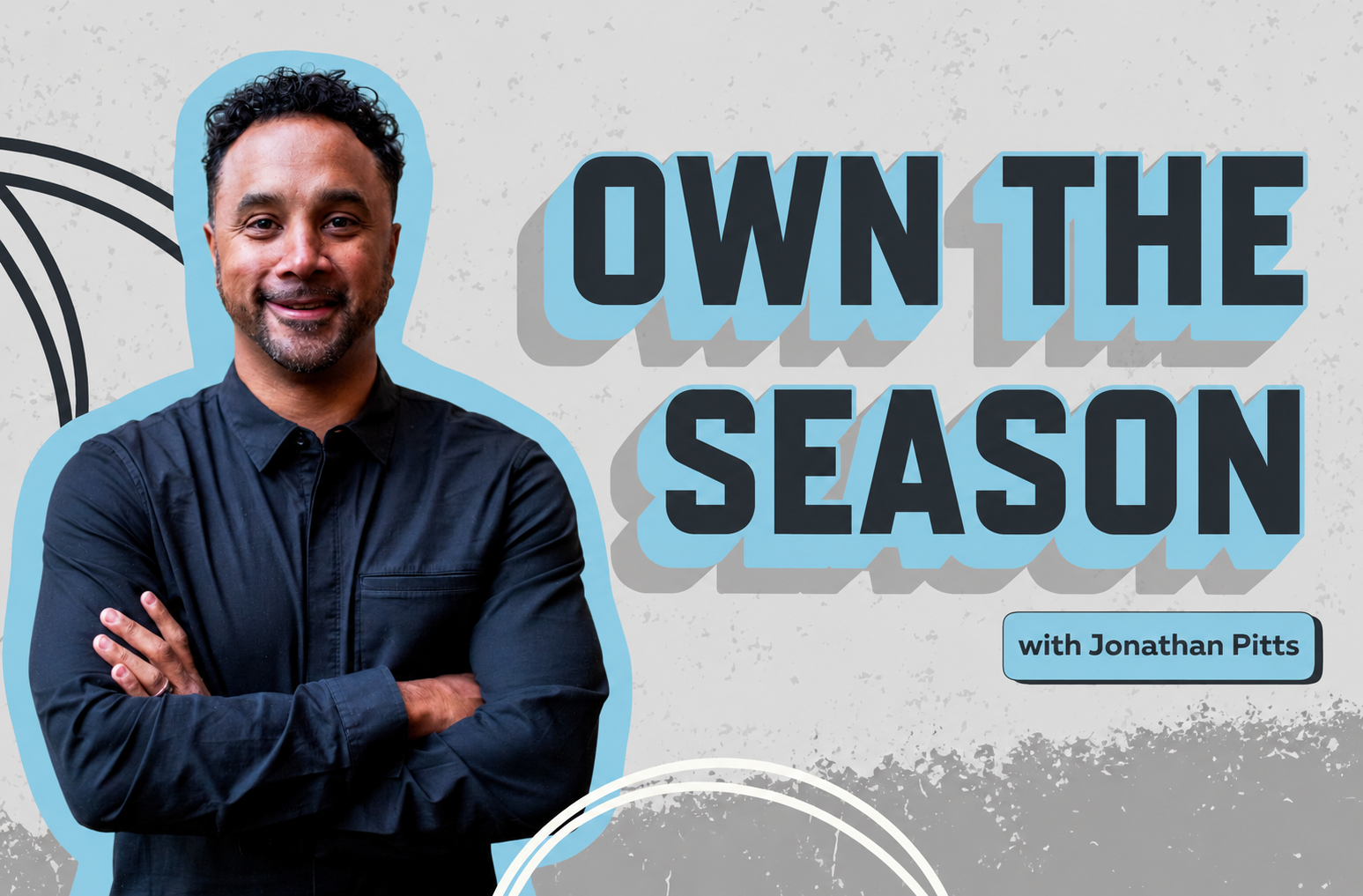
In this episode, Mandy Majors welcomes back pastor and father Jonathan Pitts for an honest conversation about raising children through every age and stage. Drawing from his experiences with grief, blended family life, teenagers, and adult children, Jonathan shares why presence, humility, and repairing relationships matter more than getting everything right.
Subscribe



Jonathan Pitts: Still Learning as a Dad-Toddlers to Young Adults
In this episode, Mandy Majors welcomes back pastor and father Jonathan Pitts for an honest conversation about raising children through every age and stage. Drawing from his experiences with grief, blended family life, teenagers, and adult children, Jonathan shares why presence, humility, and repairing relationships matter more than getting everything right. Together, they discuss preparing kids for the digital world through open conversations, recognizing when parental concern becomes control, and learning to give children greater independence without losing connection.
Through personal stories and biblical encouragement, Mandy and Jonathan remind parents that fear can motivate preparation, but it shouldn’t steal their peace. Discover how to remain a safe place for your kids, practice gratitude during difficult seasons, and trust God with the things you cannot control.
YouTube
Meet Our Guest

Jonathan Pitts is a pastor in the Nashville, Tennessee, area, a fundraising consultant, and the leader of For Girls Like You, a magazine for tween girls founded by his late wife, Winter Pitts. He has spent years serving in ministry and helping organizations advance their missions.
As a father of five, Jonathan brings a deeply personal perspective to parenting, having navigated the loss of his first wife, single fatherhood, remarriage, and blending a family. His experiences raising daughters into adulthood while parenting a young son have shaped his commitment to intentional conversations, biblical guidance, and relationships rooted in humility, prayer, and trust in God.
Sources & References

Additional Podcasts

Transcript
AI Risks And Parental Fear
SPEAKER_02 0:00
We have AI. The online predators have gotten very smart at how to target our kids. You have to step back. You can’t be crippled in anxiety every night that your kid is going to be targeted by an online predator. You just got to have the conversations. You got to prepare them and then you gotta move away from it.
SPEAKER_01 0:14
I could be crippled by the fear of the things that I feel like I have to support and help with. That the fear that you have leads you to preparation. And whatever you can’t do in preparation, you give to the Lord because it’s not yours to own. I’m constantly talking to them about potentially what could go wrong, God’s word, like all the things. We need to intentionally take filters off of our conversations with our kids. We’re out of control, trying to keep our world in control and forgetting that God is actually in control.
SPEAKER_02 0:41
Welcome to the Next Talk Parent podcast. I’m your host, Mandy Majors. Together, as parents, we’re learning how to navigate tech, culture, and faith with our kids. We share real stories and real hope as we fight to keep our kids safe in a digital world. Jonathan Pitts is back on the show. You guys loved him last season. He came on and uh talked about his grief of losing his first wife and being a single dad and then blending a family. And so I wanted to welcome him back. He’s got a lot going on. And uh, Jonathan, for those who may not have heard that show, give us a little bit of background about who you are.
SPEAKER_01 1:22
Yeah. Uh Mandy, it’s so good to be with you. Um, yeah, a little bit of background. Uh I’m a pastor in Middle Tennessee, Nashville area. Um, I’m a fundraising consultant. I’ve really just been around a lot of relationship and a lot of ministry, helping advance mission for
Jonathan’s Story Of Loss And Hope
SPEAKER_01 1:36
a lot of years. And uh I’m a dad of four girls aged 22, 19, twins that are 17 uh that graduate this year. Their mom, my first wife, passed away a little over eight years ago. And uh her name was Winter. I’m married uh now to PETA, and we’ve been married five years actually this month. And um, yeah, uh all I can say is we’ve experienced a lot of loss. We actually had a stillborn son in 2024, and so it’s it’s been interesting. The last uh we’ll call it eight years of my life have been loss of a spouse, being a widowed dad, grieving mostly well, uh, meeting my now wife, uh, falling in love, uh, getting married, miscarriage, stillborn son, and now having a son, Arrow, who’s two and a half years old. And so a lot of highs, a lot of lows. Yeah, the last eight years that I’ve been pastoring have been really kind of the best preparation to be a pastor, I feel like. So um had a lot of preparation. But yeah, that’s that’s currently me. Um, and I uh I also run for Girls Like You, uh, a magazine for Tween Girls, uh, that my late wife winter started. She had a lot of vision, a lot of energy, and kind of carrying on the work that she began. And it’s one of the greatest privileges of my life. We’re actually uh we just crossed 11,000 girls. We’ve doubled since last year. God’s been really faithful. That’s me. I’m doing a whole lot of things, and I’m having a grandbaby, by the way. Uh, and just a little more than a trimester, I’m having a grandbaby.
SPEAKER_02 3:04
Okay, so you’re gonna be a grandpa, but you know, the cool thing now is you’ve got to have a cool name. Have you thought of the cool names that you think about?
SPEAKER_01 3:10
Yes. Yeah, we’ve had conversations about it that I didn’t initiate, but we’ve decided that I can only I think pops is the last one we we we left it on. And I’m like, I can be pops until no less than 60. And after that, maybe I can be pop pop. But for now, it’s like pops. But I I keep hearing people say I’ve never been in these conversations, but they keep saying you’re gonna be called whatever your grandbaby decides to call you, so don’t get too stuck on a name. So I’m just kind of open.
SPEAKER_02 3:39
This is like a grandma Instagram algorithm that’s awesome. That you have to have these cool names now, right?
SPEAKER_01 3:46
Uh, but I hopefully hopefully Instagram is not listening right now, and you’re gonna just my algorithm’s gonna be filled with all that stuff.
SPEAKER_02 3:53
I I love pops, I love it. Your oldest daughter, who is pregnant and expecting she was on our show too because she wrote the best devotional for Teen Girls. And I just I loved getting to know her. She was so sweet and how she talked about you through her grieving process. Very insightful. Uh, one of the things that I remember her saying was like like you wanted to fix things for her, but then you realize like you there was a switch that you just had to listen. You just be present with her, and I’ll just never forget it. It was just so so much wisdom.
SPEAKER_01 4:28
Well, I I mean, I’ve got the wisdom now. It took me a whole bunch of years to to get there, and it was a lot of like just like beating my head against the wall in that regard. Um, but yeah, I’m really grateful. Um yeah, Alina’s 22. Um, the thing I can say is we have a wonderful friendship. Like she just calls me. I just call her, you know. Oftentimes she’s calling me for taxes and other, you know, things like that. That she’s just like, Dad, help me figure this thing out. But yeah, it’s just it’s been really wonderful to just um get into a relationship with your adult child who’s in some ways like so much more gifted than you and accomplished and different. And so yeah, I’m having a lot of fun. She she just moved to Texas. Um, so we’re uh she’s back to her old stomp the ground. She’s in Fort Worth, so we’re a little bit of a ways apart. Um, but yeah, just really grateful for just how God’s worked through our relationship and through our loss and our grief and my fears and her fears and my gifts and her gifts, and we’ve landed in a really beautiful place. I think what I what I would say about that is I don’t care where you’re at with your kids, just don’t give up because there were a lot of moments where I think she probably felt like giving up on me. I was like, I don’t know if we’re gonna make it in terms of like, I just feel like she’s gonna walk away from me. And she wouldn’t probably say that, but like that’s how it felt as a parent. Like everything can feel on the line as a parent. Like you can feel like the the um the stakes are so high. And the reality is you’re just parenting a teenager who’s walking through a lot of stuff, and yeah, you just have to just ride it out. And so um, it’s been really beautiful to watch her grow and mature and just become an incredibly godly young woman and uh soon-to-be mom and an awesome wife. Um, yeah, it’s just
Repair, Apology, And Staying Connected
SPEAKER_01 6:05
really cool.
SPEAKER_02 6:05
So that’s really a word because I do think a lot of parents just fear losing the relationship, especially now. It’s so like cool or trendy just for the cutoff culture. And I think that’s where every parent’s mind goes to. Anytimes there’s conflict or trouble in the relationship, which is normal for relationships. I mean, every relationship can get rocky.
SPEAKER_01 6:27
I mean, that’s where I do think if there’s anything that I did well, um, it was always trying to repair versus letting things just sit and, you know, like my my girls would say this too. Like, we just did a not a good job, a normal job of apologizing. Like, I mean, I’d still like my twins, they fight like my twin, my youngest tour twins, they fight like cats and dogs almost every morning. And although almost every morning when I’m down there, I try to not try to control them, but I try to encourage them to make things right, just go back, apologize when you’re wrong. I think the same is true of parents. Like, I think to the degree that we’re able to show our humanity to our kids, we’ll be to the degree that they actually don’t expect us to be more than humans. And oftentimes I think we set ourselves up for failure when we try to be more than humans and they realize at some point that we’re just humans. It’s like, no, they should know that from a pretty young age, that we’re just humans. And, you know, I think I think repair is really important and modeling that, even when, you know, like our kids are think we’re annoying and uncool. Like we just keep modeling it, we show it ourselves. And yeah, I feel like that’s the thing that my parents did really, really well when I was young. I have to say, I think it is uphill battle. I think, you know, everything in therapy culture, not everything, a lot of things in therapy culture are pushing kids to make it okay to create boundaries. And obviously, in some scenarios, boundaries are a really good thing, even child to parent. Um, but unfortunately, I I do think there’s like some some real toxicity in that that’s not really helpful uh for our children or for our generation. So, um, but I do, yeah, the word of God is a really powerful thing. And I think it would agree with what I just said about repair and uh humility and all the things that I think fight that toxicity of you know uh break in relationship. I feel like we almost want to make it unnormal for a relationship to be broken for too long before we repair. It breaks. I mean, I’ve had I’ve had breakings with my girls, but like the faster we can repair, the faster we can teach them to repair as well.
SPEAKER_02 8:22
So that’s that’s really so wise. The the repair, the apology, the vulnerability, the humility, all of that is so good. Outside of all of that, I mean, you have toddler through adult, adult child, all these ages and stages. What do you believe our kids need most from us, other than what we just talked about?
SPEAKER_01 8:44
Yeah, I mean, it’s gonna sound cliche, uh, but I think it’s totally true. I guess presence. Yeah, it’s the thing that we have that most of us have the least capacity for because of our Western, busy, grinding culture, cell phone, device, like all that our culture is pushing at us is pushing us towards lacking presence. Like, even if we’re physically in the room, we lack presence. And so I think that’s what they need most. It’s it’s actually really simple. I was actually just doing this exercise. It’s called the five capitals, but it’s like you know, the five different capitals we have in terms of like um spiritual, physical, personal, uh, relational, and intellectual. And as I was just sitting with that, that thought of like these are the five things, five buckets that I have time for. Like, where do I need to do better? And even as a dad, I’m like, man, my my girls are in their senior year. I’ve got seven or eight months left with them in my home. And even now, it’s like not that much time in my home because they’re so busy. Like, how do I be present with them? How do I date them again? Like, my girls have pushed away from dating me because one of them’s got a boyfriend, one of them’s always thinking about a boyfriend. Like, there’s all these things that are competing. And so for me, it was like even like this conviction of like goting to ratchet up my um my attention towards having time with my girls because I don’t have that much left. Now, I think I’ve done a pretty good job of that, you know. Um, but ultimately that’s it, there’s never enough of that. Like, even with my 22-year-old daughter, I’m like, how do I be present with her? I don’t think that ever changes actually. Presence isn’t it’s not just being there, it’s it’s being emotionally connected while you’re there. I think it’s a big deal to say that because I can be the first one to be in a room and I can be a very even like last night, my wife said to me, She goes, I my girl, but what my my youngest daughter was talking about a relational thing going on with her, and I’m reading a book, and I like kind of shushed her because she’s talking to her best friends at this at the house. I’m like, Hey, can you guys go upstairs? And Peter’s like, Hey, just so you know, like when you’re talking, like we talk about this stuff all the time. She goes, just so you know, like that was a moment where you could have leaned in and just put your book down and just listen and just been a part of the conversation, you know. So I say this not as a a perfect uh a perfect practitioner, but as a hopeful one.
SPEAKER_02 10:52
There’s a couple of things I love about that example is you and your wife have the relationship where you can hold each other accountable. And it’s not a hold each other accountable in a way that you’re trying to put each other down. You’re trying to help each other be better parents. And I think that’s very important in a marriage, honestly, to be able to say, hey, I mean, I know my husband has said to me, hey, you kind of went crazy parent mode this morning. You overreacted when they were trying to talk to you. And I know you didn’t mean to do that, but but that may shut down future conversation or something like that. And so I love that she was able to point that out. And I I really like that you that you differentiated between the presence because so many of us, we’re present, but we’re on our phones, we’re not listening. You know, we’re nodding our head, but thinking about a work project as our kids are telling us something. And and we all know what it feels like to for someone to be in the room with us, but not listening to us.
SPEAKER_01 11:51
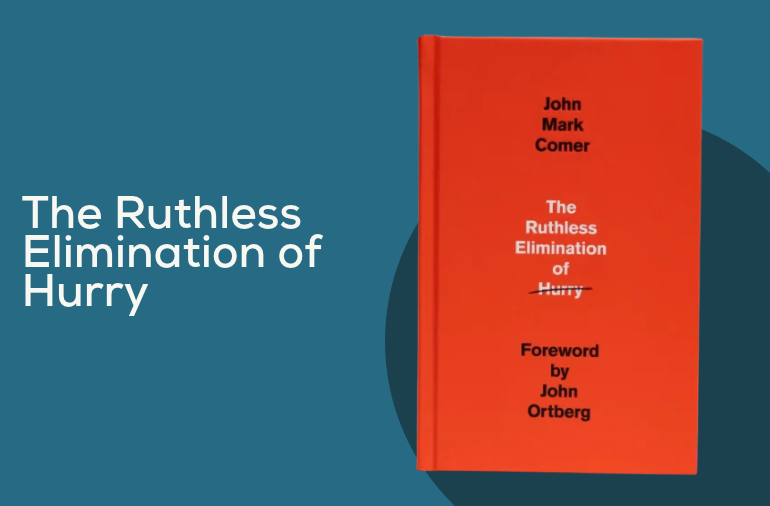
Yeah. I think another part of that is, and I I didn’t give the other part of the story because I was a little bit defensive as I can be. Like that’s my go-to, that’s my go-to protection mode, is defensive. And I basically made the argument that I was present at the dinner table, which I was, but ultimately it’s like, wait, if I want to be a present dad, like I can sacrifice my book reading. My daughters are rarely downstairs in our kitchen living area, they’re mostly upstairs when they’re home. And so it’s like she’s there, put your book down, read your book when she goes upstairs. Don’t ask her to go upstairs and talk to her friend. Actually, just put your book down and just engage or just listen. So, anyway, yeah, um, I’m I’m again, I’m trying to just um humanize myself. Like I was defensive, as a lot of men can be, as a lot of people can be. Um, and so I do think, yeah, our spouses being mirrors for us is really healthy because my wife, she’s the most present person I know. When I met her, she was reading John Mark Comer’s um Ruthless Elimination of Hurry. And I can promise you, she did not need that book because she already embodied that book and she was still reading that book. So um, yeah, I’m uh I’m learning.
SPEAKER_02 12:55
Well, we all are. We all are. At next talk, we call that look in the mirror, like being vulnerable, admitting your faults, trying to be a better person so you can be a better parent, right? Like that’s what we want to do here in our home and the kind of culture that we want to create. So you have this unusual perspective of parenting now a toddler boy after already parenting teenagers. Anything you’re doing differently.
SPEAKER_01 13:22
Yeah. I mean, everything I think I’m doing differently. It’s just so interesting. Um, as many years of parenting experience as I have, I now have the benefit of hindsight. Um, probably the first learning is, and I think you might already be familiar with this because you’ve got both genders, is that boys are very different from girls. I’m just like, right? You have you have kids both. I’m like, I’ve never had a boy before. So in some ways, I’m like, oh, I’ve never done this before. Uh also I’ve never done this, and this isn’t everybody’s situation, but it’s some people’s situation. I’ve never done this with this woman before. So I’ve a very different mom with my son than I had to my daughters for all the years that Winter and I parented together, which was almost 15 years. So it’s just it’s just a very different scenario. Um uh I’m trying to be a better listener as a dad. Like, I really when I get to heaven, I need to apologize to Winter because I don’t think I realized how much of a know-it-all I was until I was in another relationship, a new marriage. And I’m like, wow, like I’m not that good at listening. And again, hindsight. Like, I Pete and I had pre-marriage counseling,
Presence That Feels Like Presence
SPEAKER_01 14:32
and then we had marriage counseling, and we still do counseling. And so there’s there’s just some tools that I have that I didn’t have before. Um, you know, I say I say every in every way, that’s not true. Um, I do think I did a a really persistent and intentional job of parenting around scripture, and so that’s one thing I will not change. Uh, scripture will be the thing that leads conversations in our home. I use it at the dinner table, I use it at bedtime, I’ll use it in conversation, I use it all the time. And I’m grateful because my girls not only know scripture, but they love scripture. And so that’s that’s one thing that I will keep the same. Um, yeah, but having a boy is like, it’s just wildly different. I’m also well aware of like the things that can go wrong. Um, you know, I was probably much more of a trusting parent than I am now, um, because I’ve just been I’ve just lived life, you know. So like having a two-year-old at 46 is very different from that than having a two-year-old at you know, 25, 27, and uh 30, you know, it’s just a very different world. So um yeah, technology would probably be the other thing um that I will do very differently, you know. My girls kind of grew up in the world where all that was outside of television, all that was very experimental. Like my girls had iPod, iPod touches, was it? You know, they had kind of they had these devices, and what’s it’s really cool now, and again, hindsight, like we know what all the data says about kids on devices and attention span and all the things. And by God’s grace, uh my wife is just like the only thing my son does right now is he watches Bluey and animals on long form long form uh viewing, no fast moving screens. And so yeah, that’ll probably be very, a very different experience um for my son than it was for my girls. And what’s really cool is at this, at this point, there’s a there’s a strong contingent of parents that feel that way versus when we were, you know, yeah. Even it’s funny because it’s only like 10 years ago or 15 years ago, kind of my case, or my what the age range my girls were in, they were the first experiment of kids just being device everything, you know. And so thankfully there’s like a strong contingent of parents and there’s a strong contingent of research that are like we’re not doing that.
SPEAKER_02 16:35
I mean, our kids were just the guinea pigs, they were. We were experimenting on all of this. There’s more awareness now. Also, there’s more tech products that allow you to delay the actual smartphone more, which is good. But then the other thing is, and my kids and I have talked about this because even my kids have said, like, I’ll wait longer to give my kids phones than you did, mom. When you guys had phones and then started earning social media, it’s not what it is today, though. It was it’s different, right? We have AI. The online predators have gotten very smart at how to target our kids. And that wasn’t happening as much back then. And so technology, like what they have access to is just so much more than they did 10 years ago when when you give them a phone. It’s wild to think about actually how how much it’s changed in a decade.
SPEAKER_01 17:27
Yeah, yeah, it’s it’s pretty naughty. Um, and you know, I’m really grateful because, and this is where our spouses not only can be mirrors, but they can also just be helpmates, as scripture calls us to each other, because I probably don’t actually have the discipline on my own to be accountable to like, like I’m much, I’m I’m kind of much more of a pushover. Like, I mean, I’m so thankful, the grace of God for my girls, because you know, winter was gone and my girls are kind of going through um, you know, adolescence and you know, um preteen years and into into teenage years, and I’m parenting kind of by myself. And so, yeah, my girls got phones probably earlier than most. Now they did a great job. They’re trustworthy girls, but I can’t imagine um, you know, they haven’t seen things that they shouldn’t have seen that they haven’t even told me about. And I’m just not aware of it, you know. And so I’m just really grateful for the grace of God, grateful for strong like community support. Like the my girls just happen to be in a a friend circle. All of them happen to be in friend circles that are just wildly supportive of their faith and you know, just a high accountability, which I’m really grateful for. So, anyway, that’s just the you know, one of the benefits of God’s grace in my life.
SPEAKER_02 18:36
That’s what I was gonna ask you too. Like, like our kids were guinea pigs, they they saw stuff too early, all the things. Do you think the spiritual conversations that you were having in your home helped them process that? Like, without that, can you even imagine what social media would have done to our kids?
SPEAKER_01 18:55
Yeah, I mean, 100%. I mean, I think about like what’s interesting is I think the enemy’s tactic is to give a lot of exposure in all kinds of things like that around technology, but have us filter our conversations with our kids. And I I think the greatest counterbalance for my kids as I think about maybe things they saw, whether it be on their devices or friends, because the bottom line is you can’t change that, is I didn’t have any filter in terms of what I talked to them about. So I’m constantly talking to them about potentially what could go wrong, God’s word, like all the things. And so I think we need to we need to intentionally take filters off of our conversations with our kids and maybe put some more filters on the conversations other people are having with our kids, which I just thought about. It’s just really filters like take put filters on that stuff, take filters off of our conversations. And so I’ve been pretty unfiltered to a degree where my girls are kind of like embarrassed, like, stop dad, why are you talking about that? Like, you know, like I’m lab, I don’t care. So um, yeah, that’s yeah, unfiltered parenting.
SPEAKER_02 19:54
So well, you you know, we love that here. I mean, we believe the conversations are the first line of defense because because all the monitoring, they have loopholes, kids know the way around it. And so it really does come back to those that discussion that you’re having at home, that healthy dialogue.
SPEAKER_01 20:10
Yeah. I mean, because once they’re in like, you know, probably fifth grade, they’re going off to their friends’ houses anyway, who have access to all kinds of stuff. You know, it’s just like whether they’re only there for an hour or two for a birthday party or not, like it’s just like they’re going to be exposed to things. You can’t control that, but you can control what you expose them to.
SPEAKER_02 20:29
Well, and how you prepare them. I always tell parents, like, you can protect when they’re little, but you have to move to prepare. Like it’s protect and then you prepare because they’re going to start seeing all this stuff in the world. And that’s where the unfiltered conversations come in, exactly what you’re talking about. Is there anything that you worried about with your older kids that now you’re like, that wasn’t that big of a deal. Why did I worry about that so much?
SPEAKER_01 20:53
That’s interesting. I mean, the first thing that comes to mind is more I worried about there. There’s some benefits to being an older dad, at least in my life. Uh, I worried a lot more about like money, like diaper money, stuff like that, where now it’s like I’m more settled, I’m more stable. Like there’s certain things as a parent I worry about less. Even if I haven’t been that disciplined in my approach of like exposure for my kids, I have been very um vigilant around around what’s around. The bigger thing probably is like with my girls, um I probably more worried about them being kind of taken advantage of as younger, impressionable girls. But what’s funny is even saying that, like I’m I’m probably just as worried about that for my son now. Like it’s just like there’s just the world’s so predatorial, there’s lots of predators out there, and so I don’t know. I I don’t think there’s probably a lot different. And it’s probably because I’m I’m my eyes are more open to the evil of the world. So I probably tend to worry more now as an older parent than I did as a younger parent. I was I was just a bit more naive. I was I was so young compared to a lot of people. You
Parenting A Toddler After Teens
SPEAKER_01 21:55
know, I had my first baby at I just turned twenty four, I was a month into twenty four. And I was just like, you know, easy going, like, okay, we’re just doing this, you know. So it’s I’m probably more aware and probably more afraid of everything now than I was then. I’m just processing out loud as I think about it.
SPEAKER_02 22:14
But well, and the news we’re consuming, social media, we’re hearing the horrible stories every two seconds as we’re scrolling. And so it creates this fear and anxiety in us that we didn’t have before. Uh, we were limited to that news.
SPEAKER_01 22:29
Yeah, it’s you know, it’s funny. I think a lot of it has to do with age, but maybe it’s not age. Maybe it’s just like, yeah, the ever-present news feed, the ever-present, you know, like, you know, a buddy of mine, a pastor, John Tyson, you know, John, I called him buddies, not a buddy, he’s an acquaintance. But John says, we know we know a lot about things we can’t control and little about things that we can’t control. Like I can actually, I have a lot more control in my local community of what’s happening here politically than I do nationally, but I know a lot more nationally about what’s happening politically than I do in my own neighborhood. And so it’s like there is this reality of like one big benefit to disconnecting from all of that as much as we can is that we can actually have time to have more control of the things that are actually around us. Um, so anyway, just a random thought.
SPEAKER_02 23:16
I think that’s really important to note, just how we’re consuming things and it affects us. I really did like your first answer, though, about the finances because I could like hear my husband and you uh we just did a show, and that was one of the things he said as a young dad. I was so consumed with like providing for my family and getting us like financially secure. That’s a pressure that I don’t want to be sexist here, but that’s a pressure that dads really feel when the kids are young. And so speaking to any young dad, you know, feeling that pressure.
SPEAKER_01 23:54
Yeah. I mean, I honestly it’s funny because I don’t, I think I tell myself the same thing now that I tell myself then, which is fear can be really good. I think a lot of it’s fear-based. You know, we want to do, we want to do the right thing. We don’t want to fail. We don’t want our kids to fail. We don’t want to live on the streets. Fear can be a really healthy emotion, God given emotion, because it leads to preparation. Um, but fear outside of preparation leads to like crippling anxiety and um a sense of control that we actually don’t have. And so I would say leverage your fear uh to prepare for what’s ahead. You know, so for me, like when I had my girls and they’re in diapers, like that fear led me to led me to going, okay, I need to earn a little extra money. And so I’m gonna get this side hustle. And um, you know, to the degree that you actually can control things and prepare for what’s coming, leaned into that. And to the degree that you can’t, you gotta just trust God. Like, I mean, right, even right now, like I’ve got five kids. I’m a pastor, I’m doing fine financially, but the thought of paying for college educations for all of my girls and weddings for all of my girls, and I mean, I could I could be crippled by the fear of the things that I feel like I have to support and help with. And it’s literally a conscious choice every day to go, God’s got that. We’re gonna be okay one day at a time. It’s the same thing with the diapers. Like, you know, I could get a second job, which I did at times. I had, you know, different side hustles. I’ve always worked multiple jobs. That the fear that you have leads you to preparation. And whatever you can’t do in preparation, you give to the Lord because it’s not yours to own.
SPEAKER_02 25:24
That applies to so much, honestly. You know, I I would, as you were saying that, I was thinking about like the fear of online predators, where allow that to have those unfiltered conversations, like a motivator to prepare your kids. But then outside of that, you have to step back. You can’t be crippled in anxiety every night that your kid is going to be targeted by an online predator. You just got to have the conversations, you got to prepare them, and then you gotta move away from it.
SPEAKER_01 25:51
Yeah, yeah. Fear should drive you to responsibility and towards God. That’s kind of like responsibility for the things that you have control over and deeper into your trust in God for the things that you don’t. And that, yeah, I think it does apply to a lot of different things.
SPEAKER_02 26:05
So Yeah, it it really does.
SPEAKER_01 26:07
Finance is not the least of which.
SPEAKER_02 26:09
Yes, yes. Okay, so so this year you sent one daughter off to college and you have two seniors this year. So you’re gonna be sending more off. How do you stay connected and being an influence with your college daughter without being too helicoptery or too invasive?
SPEAKER_01 26:30
Yeah, uh, it’s interesting because uh, yeah, so Caitlin went to college. She’s in her sophomore year. So I’ve had a little bit of time with uh with her sending her off. And then, yeah, like my number three right now, Cameron, wants to be a nurse. She’s like, I mean, this has been pretty consistent for two years. Uh, she’s going into medicine, no doubt. Maybe she ends up doing becoming a doctor, maybe she stays a nurse, but she’s going that route. And I found myself recently um uh in fear, trying to control. I’m like, hey, I want you to go like their state schools, state schools are cheaper, don’t go to out of school, still don’t go to out of state school, don’t go to a private school. Like I’m trying to control because I’m like, we’re not doing debt, I don’t want debt, you don’t want that, like all it’s great. Like I’ve had this healthy fear because of what, you know, like when Wincher and I got married, uh, she had like 60 grand in college loans. And it’s like, we’re not doing that. Like, we’re not starting our family that way. We’re not starting, we’re not letting our girls start their families that way, you know. And so there’s like this healthy fear, but that fear was driving me to really like try to control my daughter. And what I realized in doing that is like she was pressing back from wanting to have conversations with me because everything was going back to like, hey, where are you at with a job application or start college applications, all this kind of stuff? And so, like, one of the things I’m having to do is learn to let my girls have autonomy and just be supportive where they need me versus trying to be the helicopter dad that’s just kind of on it over whatever, whether it’s that or or another thing for that matter. But that’s just kind of where I’m at right now is having to make conscious decisions to engage them in a way that allows them to have some autonomy. Yeah, just not be overbearing. Um, and I because I got I I feel like it’s a good reason that I’m trying to be overbearing. Like I’m trying to set your family up for success. But oftentimes we can want to do the right thing, but we end up doing it the wrong way, which creates like division in relationships. So it’s not fun, you know, for your for your 17-year-old daughter to have every conversation with her dad be about money and his fears, by the way. She’s not scared and she’s heard me. So did I answer your question? I don’t even know if I did.
SPEAKER_02 28:30
Well, yes, because I feel like you’ve also been a fly on a wall in my house because this is the same situation. I had student loans coming into our marriage, and it was very, very important and honestly a trigger for both my husband and I. We did not want our
Tech, Phones, And Smarter Predators
SPEAKER_02 28:45
kids to start their life like that. We did not want them to start it in debt. And so we also were the same way. Uh, every conversation was about money, especially senior year when the decision was, you know, right then.
SPEAKER_01 28:57
Lots of pressure. Yeah.
SPEAKER_02 28:58
Yes, lots of pressure. And and they were, I could feel them pulling away from us because it was always about money. It was always about this. And we we had to switch our strategy in the sense of we have we apologize for like so that repair what we had done wrong. But it really helped to just tell them like this is what happened to us when we were first married. And it was really hard starting out with all the student loan debt. And I don’t want that for you. And once they heard that, it was almost like it humanized us, just like what you were saying in the beginning of the show. And it opened up a broader conversation. And then it was listen, we’ll support you if if you do want to take out loans, but we just don’t recommend it. Like, we don’t want that for you.
SPEAKER_01 29:45
And that’s the thing. Like, I had to get to the point where I’m like, wait a second, like she’s 17, she’s gonna be 18 before she graduates. There are gonna be decisions that she has to make, and I can create my boundaries. And so right now, like where I’m kind of and I’m working through it now, but where I’m at now is I I actually apologized to her about a week ago and said, Hey, I know I’ve been like really on top of you on this. I shared, and I’ve shared before. So there that she’s very familiar with the story, but I shared again. Like, the reason I’m hyper-vigilant about this is because yeah, we started off our marriage and we had to make decisions to like take certain jobs or not take certain jobs because we couldn’t not make that decision. We have like 500 bucks in debt a month for trying to service, you know, and so it’s like which it’s a lot of money when you’re 21 years old and coming out of school. So, um, and it’s more in money than that now because school is more expensive. But anyway, I said to her, I’m like, look, like you’ve heard me, you know where my heart is. And now it just comes down to like, okay, I’m I’m not gonna take on debt for you. And I don’t want you to take on debt for you. And we can talk about it when it comes down to it, but I need to just trust that you know what you’re doing and just let me know kind of where you’re at. And just let her, you know, just not be that helicopter dad that’s just like harping, harping, harping, harping, you know. And yeah, it’s funny. My my dad used to say to uh me and my siblings, whatever you don’t learn in my house, you’re gonna learn in the world. And at some level, I have to be okay with that for my kids. Like it’s like, all right, I can try to teach you, but it just doesn’t, I don’t need to keep reiterating things I’ve already said a thousand times. Like she’s definitely got it. So yeah.
SPEAKER_02 31:11
Yeah, it’s like you say it, you make your point, and then you kind of got to back away from it and pray that God speaks to them and and directs them. You know, you’ve made your point, your point known.
SPEAKER_01 31:20
Yeah, and by the way, like this is this is my oldest daughter didn’t go to college. My Caitlin is at college, and I basically was doing the same thing to her. And what’s crazy is I was doing to the point where she wanted to, it’s a long story, but she wanted to apply to bailer. And I’m like, I don’t see a path for you going to bail her financially. Like, we’re just not, I mean, it’s one of the most expensive schools in the country. Like, we’re just not. Well, what’s crazy is she’s a bailer. And if you, if I told you the amount of money I paid for bailer, you would your mouth would drop open because it’s literally almost nothing. And you know, what’s interesting is I I have this phrase that I use now. What’s unreasonable for me, what’s unreasonable for Jonathan Pitts is reasonable for God. Like if God wants to make it a way he can. And even I was in the own, I was in the way of God’s plan for Caitlin, which is obvious it’s God’s plan for Caitlin, because I was so afraid, versus just going, all right, God, she’s yours, this plan is yours, and then just watching God work a miracle because now she’s at Baylor, the majority of her education is paid for, and I’ve had to do very little, and she has no debt and she has no loans. And so it’s like God did the thing that I had the heart that I had a heart to want to have for my daughter, but he did it very differently than I would. He didn’t, he didn’t need me to keep harping on her, you know. So it’s like in some ways, we think we’re benefiting our kids, and we’re really just we’re out of control trying to keep our world in control and forgetting that God is actually in control.
SPEAKER_02 32:46
So yeah, I had a mentor tell me once, stay a couple years ahead of your kid. And it was actually really solid advice now that I look back on it. And that’s one of the things we did too. Like, like we would say, imagine you’re out of school and you’re making $40,000 a year, and you have these expenses. Are you going to be able to make it? And you like we would put the student loans in there and not put the student loans. You know, we would we would have that. And we did that one time and then we let it go. We didn’t, we didn’t do it every weekend or we we had to learn to let that go. I love what you said though, is because sometimes it doesn’t look right on paper. We don’t think there’s a way, but God will make a way. Yeah, and and we limit our kids sometimes because of that, because we don’t trust God with them.
SPEAKER_01 33:32
Yeah, it’s it’s funny
Take Filters Off Hard Conversations
SPEAKER_01 33:34
because in my own life, you know, my parents were lower middle class, didn’t have a bunch of money. My dad looked at me, and my dad, I I need to just live in my dad’s world. My dad looked at me and said, Jonathan, it’s the military or it’s scholarships. That’s literally all he ever said to me. Never said another word to me. And I knew when he said that, it’s the military or scholarship. So I ended up with a military scholarship and no debt, and you know, went to school. But it’s just like it’s just funny because my dad just somehow had this wisdom not to waste energy that he didn’t have to waste, and God worked it all out. It was just like, so I just wish I had that level of peace in my heart and just be like, well, Cameron, it’s scholarships or it’s a state school, you know, just like leave it at that, you know. But anyway, yeah. Keep it simple. Keep it simple. Yeah.
SPEAKER_02 34:19
Um, how do you stay a safe place for your adult child? I mean, she’s married, she’s got her own family, she’s expecting her first baby. How do you stay a safe place for her?
SPEAKER_01 34:32
Yeah, I mean, I I think I’d say I’m learning. Um, you know, I’ve got one that’s married with uh a wonderful husband, godly man, and a baby on the way, another one that’s at college. And the first thing I would say is just stay available. Um I’m grateful that God allowed me to stay a safe place for them that when they left, they wanted to, they they want me in their life, they want me to answer questions, they want to ask what I think about certain things. And so I do think a part of it is being a safe place when they’re young, so they don’t reject you when they’re young. Because what’s funny is they they tend to need it. My experience is they tend to need you more now because there’s certain things they’ve they’ve just never done things before, you know, like even like with Alina, she’s 22, her husband’s a few years older than her, but they’re just really young, and there’s certain things where they’re like, I don’t we don’t we don’t know, we need your advice, and they’re willing to ask for it. And so I just I just think staying available um is a big deal. Don’t be a know it all, which I can tend to be sometimes. So, you know, just be curious, ask good questions, you know. Even even now, like that, you know, they Alina and Kaziah, her husband, they just had it in their heart to move to Texas. Like for two years, they were thinking about they got married, and from the very beginning they’re thinking about moving. And it’s like, okay, I can try to get them to do what I want, which is stay here, or I can just be curious about what God is doing or what they feel like God is saying. And so I yeah, I think that’s probably a harder thing to do for some of us than others, but be curious and just trust that they can hear from the Holy Spirit just like I can, you know, like just be really humble about that. Yeah, I’m sure there’s gonna be lots more opportunity for me to do that, like how they raise their kids to where they decide to live, to all kinds of things. It’s like just be curious, you know.
SPEAKER_02 36:09
I had somebody tell me uh recently, you are not your husband’s holy spirit. The Holy Spirit is your husband’s holy spirit. And I’ve kind of applied that to parenting, you know, like and it goes in what you say about being a no-daw. I have had to really be careful now that I have an adult child in a career, you know, graduated from college, living on her own. Um, when she calls me not to jump into advice giving mode, only when I’m asked for advice is what you said. And I think that’s a word because I’ve had to apologize there sometimes. I’ve messed that up a little bit.
SPEAKER_01 36:47
Yeah, same, same. Because it’s easy to, you know, it’s our natural rhythm with our kids. We have so many years of doing that, so it’s like pretty easy to just keep doing it. But yeah, I think to stay safe and you know, like I think it’s even beyond safety. It’s like just to stay relevant, to stay fun, to stay a confidant. We we literally have to just remember that they don’t actually have to come to us if they don’t want to, you know. So it’s just like, yeah, just be easy. Just be easy.
SPEAKER_02 37:20
Well, and be present, like you like you said at the very beginning of this show, like be available, be present, be ready, and like give advice when you’re asked across every age and stage. What should parents just never stop doing?
SPEAKER_01 37:37
Never stop praying. Yeah, never stop praying for your kids. Um, yeah, I think always remember that you’re you’re just as human as they are. I think there’s certain stages where it’s easy, you know, when when they’re infants, it’s easy to remember your humanity. And like I’ve had in the last like three weeks, I’ve dropped my son or missed catching him a couple of times. I’m like so dependent on God to like protect my son. Then there comes a point, a point in time where I become less dependent and I become more dogmatic. Like with my I haven’t had that experience with my son yet, but I’m sure it’s coming where it’s like, I just want to control, I just want to manipulate. And it’s just like, yeah, just stay dependent on the Lord because you are, you’re fully dependent on him. So I think I think prayer, um, dependence, present. Yeah, just come back to the basic themes. I do, I I honestly think parenting is it’s not easy, but it’s simple. Like the things that we need to do are pretty simple, you know, just be present to our kids. Obviously, we need to discipline our kids. Um, and that’s that changes how we discipline them. But yeah, presence, prayer, proximate, like just be available. I mean, it’s it’s kind of the things that we’ve been talking about, like just be available. Like, I try to make it easy to answer my girls’ phone calls when they call. Like my oldest daughter, we had a season when she was doing her taxes, and literally she probably would call me like six times a day. And in my mind, I’m just kind of like, oh
Fear, Money, College, And Letting Go
SPEAKER_01 38:54
my gosh, are we doing this again? But it’s like, she’s calling me, pick up your phone. Doesn’t matter what you’re doing, just pick it up, you know? So yeah, just be available.
SPEAKER_02 39:01
I mean, you’ve shared so much wisdom today on this show. Is there anything else on your heart if you were having coffee with a parent and we had just talked through this, that anything else you would leave them with?
SPEAKER_01 39:13
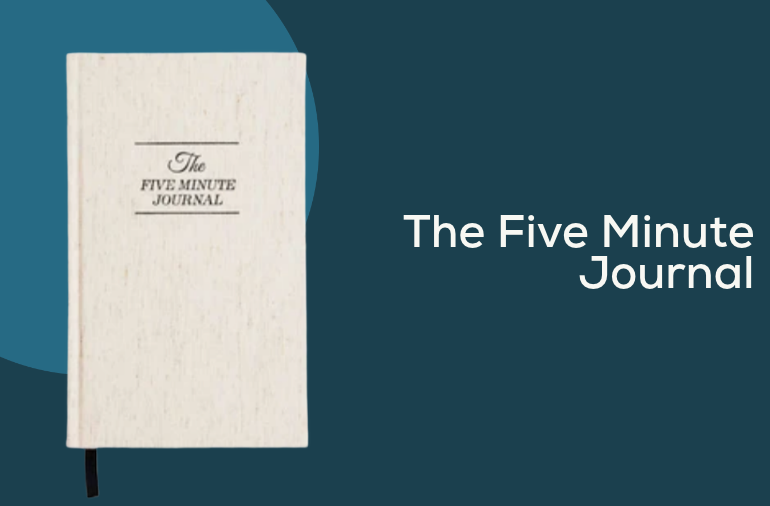
Yeah, I mean, I thought the only thing I would say is if you’re having a hard time being grateful for the gift of your children to practice gratitude, like our our children children are a heritage from the Lord, a very great reward. I’ve found in certain seasons, especially like being an older dad, like you know, my wife, PETA, was a first-time mom when we had Arrow. Um, and I was a fifth-time dad. And so I found myself like almost a little bit bitter. You know, I’m up at two in the morning, changing diapers, you know, just doing all the things that you do. And I’m like, I’m exhausted. I’ve been here before. And I remember at one point her saying looking at me, and it’s like three in the morning or whatever, and she’s like, Hey, can we just enjoy this? And my flesh is sitting there, like, no, we cannot just enjoy this. I don’t want to enjoy this. And I’ve had to really practice gratitude, you know, in moments. And but it’s, you know, it’s that in this season with my and I and I’m in a better place now. He’s two and a half, so there’s certain things he can do himself, and it’s a little bit easier. But like, I think I’ve had lots of seasons in my life, with my girls included, where it’s been easy to have a lack of gratitude for the gifts that God has given me. And that can be in big moments and big things, but could also just be in small things where my girls are just bothering me or my son is bothering me. It’s just like it’s very easy to become complacent or um yeah, ungrateful. And so I would just say practice, just practice gratitude. Currently, I have a gratitude journal. There’s like this little one called the five-minute journal that I’m doing right now. That’s like, I’m writing down every day things that I’m grateful for, things that I learned that day. Um, so yeah, I think it’s just like, yeah, the practice of, you know, I don’t want to sound all woo-boo, but like just mindfulness of especially around your gratitude with your children. Children are our gift from the Lord, a very great reward.
SPEAKER_02 40:55
That’s such a good reminder. I was uh talking to a mom today and she said, I love my kid, but I don’t, I don’t like him very much right now. Like he’s just it’s that yeah. And I just could relate to it so much through all the ups and downs, you know. And uh, and so that is a real good reminder for all of us to remember that God has a purpose for this kid. And we all are hard to be around sometimes. Like, like Bob Goff says, love difficult people, you’re one of them. I always think of that from a parent perspective. We think teenagers are difficult, but like we’re difficult. We’re difficult people too.
SPEAKER_01 41:32
Yeah, it’s kind of crazy when you think about like this is just a truism. There’s a reality that things can be hard. And like my late wife passing away, one of the hardest things I’ve ever walked through. Probably I’d put it up there with the loss of my son, those two things, hardest things I ever walked through. But I’m actually in this season, I’m very grateful for what I walk through. I’m not, I’m not glad that she died, but I’ve got gratitude for something that was really difficult. And so I just think it’s like you know, Philippians 4, which is like a life verse for me, Philippians 4,8, whatever is true, whatever
Prayer, Gratitude, And The Closing Ask
SPEAKER_01 42:05
is honorable, whatever’s right, whatever is pure, whatever is lovely, whatever’s admirable. If anything is excellent or praiseworthy, think about these things. And so, like in the difficulty, in the hard, God gives us a way out of complaining, God gives us a way out of resentment, God gives us a way out of sulking, God gives us a way out of depression. And it really is like Philippians 4, rejoice the Lord always. Again, I will say rejoice. That’s Paul giving a command, and then he tells us how. By all things, you know, be anxious for nothing. The Lord is near. By all things, do prayer and petition, make your request known to God, and the God of all peace will be there. So it’s like this reality of like we actually can learn how to have gratitude, even in the hard seasons. And the teenage years are probably the hardest, you know, especially with girls. Like I can say it four times over now that that season is a hard season. A lot of ingratitude for them for the things that you’re telling you. So there’s lots of easy reasons why you can be ungrateful. But um, yeah, gratitude.
SPEAKER_02 42:55
Jonathan, thanks for sharing all your wisdom here today. Oh many.
SPEAKER_01 42:59
No, thank you for this let me process. I feel like I’m just processing out loud where I’m at in life, so I can get off and be like, man, I just feel like I just did therapy on on for for all your all your people. So anyway, glad to do that.
SPEAKER_02 43:10
That’s how I feel when I interview podcast guests like you. And I’m like, man, I’m coming away better about this. That was that was well worth my time too. Personally, I’m I’m applying all this stuff in my own home. So thank you so much for being here, and we’ll look forward to you being pops or whatever your grandchild is going to call you.
SPEAKER_01 43:28
I’ll have to come back home and let you know uh let you know what it is. So thanks, Mm.
SPEAKER_02 43:32
We’re gonna need that update. Enjoy this next season.
SPEAKER_01 43:36
Yeah, good box and sister.
SPEAKER_00 43:37
Next Talk is a 501c3 nonprofit. Everything we do to serve families is supported by people like you. Make a donation today at next talk.org. Next talk resources are not intended to replace the advice of a trained healthcare or legal professional, or to diagnose, treat, or otherwise render expert advice regarding any type of medical, psychological, legal, financial, or other problem. You are advised to consult a qualified expert for your personal treatment plan.
This podcast is not intended to replace the advice of a trained healthcare or legal professional, or to diagnose, treat, or otherwise render expert advice regarding any type of medical, psychological, or legal problem. Listeners are advised to consult a qualified expert for treatment.