Jamie Mershon LPC: The Rise of Online Self-Diagnosis
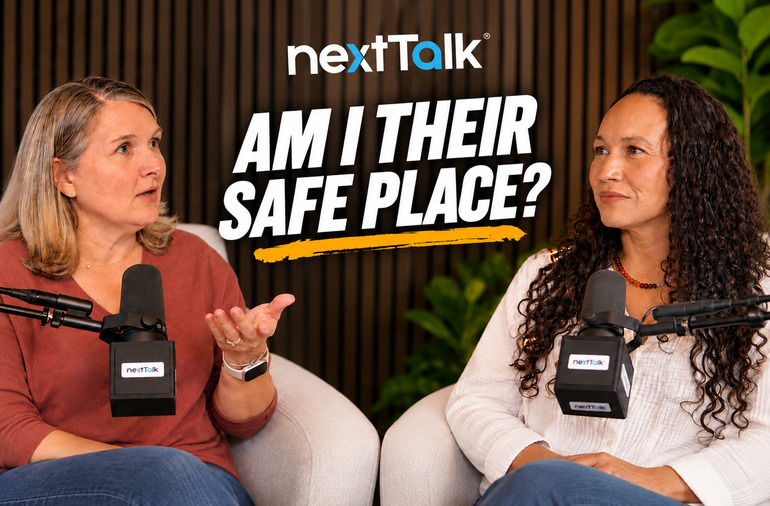
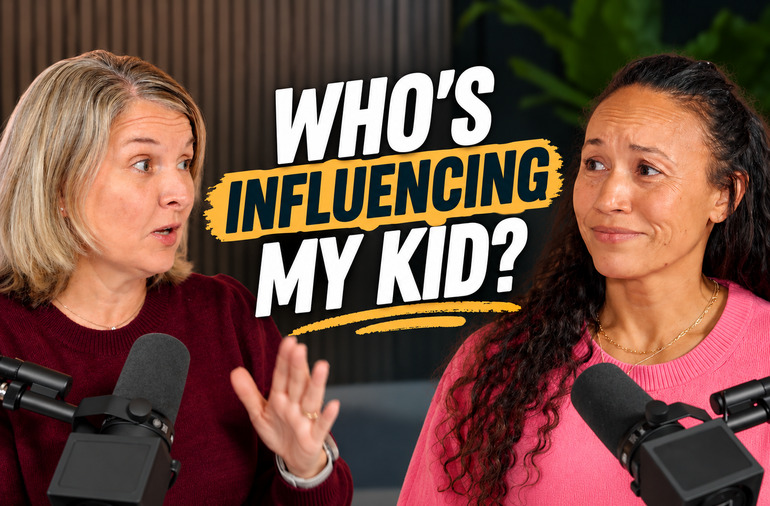
Kids are turning to TikTok, AI, and social media to understand their mental health, often identifying with diagnoses and labels before ever speaking with a professional. How should parents respond when their child says, "I think I have this"? Mandy Majors welcomes licensed professional counselor Jamie Mershon to discuss the growing trend of online self-diagnosis and how parents can approach these conversations with curiosity instead of fear.
Subscribe


Jamie Mershon LPC: The Rise of Online Self-Diagnosis
Kids are turning to TikTok, AI, and social media to understand their mental health, often identifying with diagnoses and labels before ever speaking with a professional. How should parents respond when their child says, “I think I have this”? Mandy Majors welcomes licensed professional counselor Jamie Mershon to discuss the growing trend of online self-diagnosis and how parents can approach these conversations with curiosity instead of fear.
Together, Mandy and Jamie explore the difference between helpful diagnoses and harmful labels, why connection should come before correction, and how parents can recognize when their child may need professional support. Jamie shares personal experiences with ADHD and dyslexia, practical ways to help kids understand their emotions, and the importance of building a trusted support system rooted in faith and wisdom.
This conversation reminds parents that a diagnosis should provide information, not define identity. Through open communication, biblical truth, and compassionate guidance, parents can help their children navigate difficult feelings while creating a safe place for honest conversations at home.
YouTube
Meet Our Guest

Jamie Mershon is a licensed professional counselor, wife, and mother who is passionate about helping individuals and families experience growth, healing, and hope. She leads One Six Christian Counseling, a practice inspired by Philippians 1:6 and the belief that God continues His good work in us throughout our lives. Her approach emphasizes emotional understanding, practical mental health support, and faith-centered encouragement.
Jamie also serves on nextTalk’s advisory council, providing professional guidance on mental health concerns affecting children and families. Through her experience as both a counselor and a parent, she helps families navigate difficult conversations, strengthen relationships, and approach mental health challenges with compassion, curiosity, and biblical wisdom.
Sources & References

Additional Podcasts
Transcript
Victim Labels And Accountability
SPEAKER_01 0:00
I think we want to protect kids from feeling like a victim of something. Some kids like the label because it is an excuse for their limitation.
SPEAKER_03 0:09
Okay, wait. That is profound right there. I just need to stop right there.
SPEAKER_01 0:13
I don’t even know what I said, but okay, run it back.
SPEAKER_03 0:16
This is so good because we live in a world where everyone’s a victim.
SPEAKER_02 0:19
Yeah.
SPEAKER_03 0:19
And because I have this, then I’m not held accountable for my actions. Right. That is what you’re saying. Yeah, basically.
Why Kids Self Diagnose Online
SPEAKER_03 0:25
Welcome to the Next Talk Parent podcast. I’m your host, Mandy Majors. Together, as parents, we’re learning how to navigate tech, culture, and faith with our kids. We share real stories and real hope as we fight to keep our kids safe in a digital world. Kids are self-diagnosing online. What should we do? I had to bring in an expert for this question. This is Jamie Mershawn, licensed professional counselor. She’s no stranger to the Next Talk podcast. But if you are new here, I want Jamie to introduce herself.
SPEAKER_01 1:02
Hi, it is so lovely to be back. It’s always such an honor and privilege to be interested in this space because I know these are heavy topics. And so, like Manny said, I’m Jamie Mershon. I’m a licensed professional counselor. I’m a wife. I’m a mama. And it has just been such a privilege to come alongside of others in their journey of growing and healing and fighting hope. And so kind of the heartbeat of my counseling practice is 1-6 Christian counseling, which is rooted in Philippians 1.6. And so it’s he started a good work in us, and we are not till full completion until our last breath. And so the good news is we are called not to live in perfection, right? We’re called to live in growth. And so I love how God can use a counseling couch in growth. And I like to say that God is the main meal. And sometimes in life we need a side salad, and that’s where I come in. Anyways, it’s so great to be here.
SPEAKER_03 2:00
I love that. Uh Jamie and I met years ago, actually before I was writing my first book. So more than a decade. Yeah. We got history. Yeah. And Jamie had been invited to this lunch and learn in San Antonio where we were just trying to get the word out about who Next Talk was and what we were doing. And she got invited, and literally afterwards, we were finishing each other’s sentences. Yeah. Because you are uniquely, you’re a mom and a counselor.
SPEAKER_02 2:29
Yeah.
SPEAKER_03 2:29
And so here we’re over here on the parent podcast navigating these conversations at home. Most of us, most of our parents who listen are like me. We are not a mental health provider, but we’re trying to enter this space and figure out, okay, when do we need a counselor? When can we handle this?
SPEAKER_01 2:48
Yeah. And you have helped us navigate that so beautifully. Well, Mandy has been super helpful as well because I remember that day, I had three little girls at home all in diapers. And I was like, should I go? Should I not go? Right. Because you know, I was in the throes of chaos. And you’re a few years ahead of me in where you are in parenting. So it’s been such a blessing of how we can help each other just professionally and personally, because we just have different backgrounds and what we can pull from.
SPEAKER_03 3:15
So yeah. And Jamie’s on our advisory council. If you don’t know what that is, that’s just a team of experts, mental health experts that we can call when we need help. Because sometimes a parent will reach out to us and it is way beyond the next talk level. And I have to text Jamie and be like, okay, what are next steps here? I need some help and direction. And she’s always so great with her advice and she has so many great resources. Yes. If I don’t know, I’ll find that. That we can point people to. Yeah. She’s a wealth of knowledge. So I wanted to do this topic because now we have AI being a mental health counselor for kids. Yeah. We see some AI platforms actually getting sued because kids have lost their lives because of bad advice. Very serious. And we also have kids just going on TikTok and self-diagnosing themselves, labeling themselves very early. I have this, I have that.
SPEAKER_02 4:10
Yeah.
SPEAKER_03 4:10
And I want to talk about that. Yeah. And how to handle that as a parent. Sure. So my first question to you is say our kid brings us a TikTok or brings us something from online and said, This is me. This is describing me. What should our first
AI Therapy Risks And Real Stakes
SPEAKER_03 4:28
response be there?
SPEAKER_01 4:28
Yeah. I definitely just kind of go to the three C’s where we want to get curious and connect versus correct, right? And so chances are we want to build them up. Like, I am so grateful that you came to me, right? Because we want to raise kids that bring their phone to us instead of hide their phone from us, right? And so they may be finding information on their phone and they bring something to us. And so we want to connect with them and say, what part of this feels like you? Or what part of this label stands out to you, right? And then that’s part of the connection because it’s I’m trying to get to know you and I’m getting curious. Because oftentimes we may feel overwhelmed by that label. And we want to remember a label or a diagnosis is a flashlight, not a box. But I think the correction often comes from we feel like they’re speaking something over their identity, they’re speaking it as truth, where in reality they’re just maybe connecting to something or curious about something, and they may be even excited because they’re like, oh my word, like this sounds like me, or I struggle with this too. Okay, there is a lot there, Jamie.
SPEAKER_03 5:47
Good stuff. So we always use your phrase, be curious. Actually, Kim Elric was just on the show and she said that. She said, Jamie Berchand’s be curious. It’s one of those things we say over and over again. So you said be curious in connection before you correct. Correct. So what we don’t want to say is if our kid brings us something and be like, well, you’re not that, that’s silly. Right. We don’t want to do that.
SPEAKER_01 6:08
Right. We don’t want to shut them down because they might be coming to us like excited. It’s kind of like, you know, if there’s this weird noise in your car and then you read something, you’re like, I think I found the answer, right? Sometimes that’s how kids are. They’re like, you know, this weird thing I’ve been experiencing. I think I know what that’s it, what it is. So they’re coming to us excited. So we don’t want to shut them down or like invalidate them. Or they may be coming to us out of a place of courage where it takes a lot of courage, like, will you judge me? Will you shame me? Are you my safe person? Because they just want to be understood. Maybe they’re not even coming to you to be labeled, they’re coming to you to be understood. It could be a test to see if you are safe.
SPEAKER_03 6:52
Yes. We need to always remember that. Yes. So the curious and the connection comes from more questions. Correct. Tell me what, like you said, tell me what part of that do you identify with the most. Correct. What sounds like you? And and I would even say, just from parenting, is when they start opening up to you, then say, when did you start feeling this way? When was the first moment that you notice this? Right. Because sometimes that points back to a specific issue that needs to be addressed that they don’t even realize is affecting them. Exactly. Like I’m I’m thinking like porn exposure or or somebody doing something to them they shouldn’t, and it’s caused them to feel a certain way.
SPEAKER_01 7:35
Right. And I think that is such a great point, Mandy, because we want to know is this an isolated feeling or an isolated connection that they’re feeling to this? Or is there a pattern? You know, is it like I feel this way every Sunday? Or I feel this after I leave a social gathering and I feel that way a lot. Or is it just, you know, I felt this way this one time? Because part of diagnosing is you’re looking for a pattern. You’re looking well beyond just a moment in time. Okay.
SPEAKER_03 8:07
Okay, that’s good. You also mentioned, you said a it’s a flashlight and not a box. I want you to explain that a little bit more because it sounds like a good analogy, but I didn’t, it didn’t click with me just for this.
SPEAKER_01 8:19
So what I mean by that is we should see a label as a flashlight, meaning we’re searching for information, we’re shedding light on something, versus a label as a box. Because a box feels limiting. A box feels like, oh, this is you. It feels like identity, like you’re put in a box, you are labeled per se. Does that make sense?
SPEAKER_03 8:45
That I think that is so helpful to parents because oftentimes too, kids are growing up in a world where I do feel like they feel like they have to check boxes. Yeah. I’m this, I’m
Curious Connect Before You Correct
SPEAKER_03 8:56
that, I’m not this, I’m not that. I hear this as a parent. Instead of overreacting and rushing to, oh my gosh, they’re checking this box, you’re saying to us parents, they’re just putting a flashlight on something that there is in their brain that we need to dive into.
SPEAKER_01 9:12
Exactly. Right. And one of the other things I say is that information does not scare me. It’s the lack of information that scares me. So as a mom, if my kids are struggling with something, I want to know more about it versus less about it, right? And I don’t see the information that always leads to a diagnosis or always leads to worst-case scenario. I just look at it as that that’s helpful, that’s informative, right? And so the flashlight is leading us to information.
SPEAKER_03 9:41
Okay. Okay. So your kid has come to you and they’ve said, this feels like me, and it’s a self-diagnosis thing. I mean, it could be anywhere from OCD to anxiety disorder to depression, yeah, to anything, right? Yes. Anything. Struggle with identity across the across the spectrum. It could be anything. They’ve said that to you. You haven’t shut down the conversation. You’re connecting, you’re getting curious, you’re not correction, you’re you’re doing all the things. Yeah. So now you’re in this conversation at home and you’re learning about your kid’s struggle. I want you to tell us when what are some things where it’s like, this is beyond me, yeah, being a mom. Yep. And I need to bring in a counselor. Yeah. What would we look for there?
SPEAKER_01 10:26
Well, that is a great question. And I think that something you said that I want to point out is keep your parent hat on, right? So this makes me think of the story of Elijah, right? So he had just experienced this great victory and he all of a sudden is threatened by Queen Jezebel, right? And so he has all this fear, all these feelings. So God did not tell him he wasn’t allowed to have feelings, right? He’s having feelings. And when you look at how God handled that situation, God knew that he needed rest. He knew that he needed food, and he knew that he needed water. So when you think about how the father handled his son, Elijah, right? He was looking at basic needs. He didn’t tell him to stop feeling. He didn’t shut it down. He knew his son was scared. He knew his son was overwhelmed. But Elijah was also tuned with himself. He knew I need to run away from where the danger is. He knew I want to be alone. So you see that partnership where Elijah was attuned with what he needed. And then the father was also attuned. So they worked together. And then towards the end, you see how the father sends him out and says, I have an army waiting for you, right? And so our army may look like a therapist. It may look like a physician or a psychiatrist, right? And so God has equipped us as parents on the front end of just how can I help you practically, right? As you’re in this battle. He doesn’t just make it stop, right? He, Elijah is tolerating all of that, but God has also equipped him in that and said, go back, right, where the queen is, but I have an army waiting for you. And so he’s not sending him out alone. And I think it’s letting our kids know that they’re not alone in this. We’re not looking for a diagnosis right now. We’re looking for information and we’re looking for that team of people that can help us. And also, just going back to that information piece, I think it’s helpful that we are raising critical thinking children. So the fact that we are asking them to look at the information and talk about the information is actually really helpful.
SPEAKER_03 12:44
You know, Kim and I just did a show, and one of the one of the talking points on there was teach your kids to be a free thinker. And what we meant by that was when you hear something on social media, like what is the other side saying? Right. And what, you know, and we were talking about like cult being culturally influenced, but it applies here too. Absolutely. Being able to think about like maybe why wouldn’t you be diagnosed with this? Right.
SPEAKER_01 13:09
Or you know, the other side of this. We want to look at the source of the information on the other side of our screen, right? Yeah. Who is the source? Is it a doctor? Is it a licensed therapist, or is it somebody my age, or is it another person sharing their experience, right? And so we want kids to question whether it’s somebody sharing their experience, who’s sharing it, what’s their credentialing, and all of that feeds into critical thinking.
SPEAKER_03 13:36
Yeah. And I think too, like also like what is their belief system? Exactly. We’ve talked about this before. I wholeheartedly believe in Christian counseling.
Flashlight Not Box For Labels
SPEAKER_03 13:45
Yes. But there have been Christian counselors that say they’re Christian counselors that I don’t, I wouldn’t consider Christian. Correct. And you and I have talked about it’s a big deal when you put your child behind a closed door with an adult who you do not know. Correct. And so we want to get our kids help, but we also want to vet out the people that we are entrusting with our kids.
SPEAKER_01 14:10
Yeah. And I think you bring up a good point there, Mandy, because I think in desperation, we can just latch on to things and we’re letting emotion drive the car and not really thinking it through, right? Because when you think of biblically, the woman who was bleeding for 12 years, she was so desperate for healing, right? Like she tried and she tried and she tried. And it almost looked almost looked like rebellion or disobedience when she touched Jesus’ cloak, right? And instantly he’s like, Who touched me? Right. And I love that story because he wanted her to take ownership when he said, Who touched me? Right. And right away she says it was I. And he said, Uh, you are my daughter and go in peace. And I love that story because she was so desperate for healing, right? And she went to the source, which was God, right? Jesus. And instantly she stopped bleeding. And we could have stopped the story there. Like Jesus could have stopped the story there, right? But he did a second healing, which he healed her shame. So first he healed her symptoms and then he healed her shame. And that is so our God, right? He wants to heal our symptoms and he wants to heal our shame. But in desperation, we’re going to do things maybe out of character, or we’re going to search in places maybe that doesn’t honor God.
SPEAKER_03 15:45
So you’re telling us if you see this in your child, reaching out to people that are not on the same belief system or reaching out to be there, they just want to stop feeling the way they’re feeling. And it may look like rebellion. Right. And so to have empathy and grace for that and understanding as you’re helping your kid navigate this.
SPEAKER_01 16:07
Right. And I think it’s such a teaching point too, because you can help them navigate of what trusted references look like or referrals look like and invite them in that process. You know, these are the questions that we ask, or this is what it looks like. And so that way you’re also teaching them what it looks like as they grow older for them to be looking for those same things as well.
SPEAKER_03 16:30
Yeah. And you mentioned the army with Elijah. Yeah. And that could be a psychiatrist. That could be, you know, one of the things I’ve learned as a parent is I would tell my kids, if you don’t feel comfortable talking to me, or or maybe we need to ask somebody else. Like sometimes my kids would come to me with something and I would be like, Have you asked your youth pastor? They may be really good to speak into this. Like, I’ll give you my opinion, but your youth pastor is a male and may have a different perspective than I am. I love that. And so bringing in other other people because then also if they’re self-diagnosing with something, then you could even reach out to the other safe people in your kid’s life and say, you know, I think my next step would was going to be a counselor. Do you have, what do you think? Yeah. I think we’re at the point that that that my kid has gotten information from me and from you, but we may need to level this up now. Yeah. Because we’ve tried some things, you know, we’re working through this. I mean, they may need to be tested for something. Exactly. Yeah.
SPEAKER_01 17:28
It’s building a team, right? And so the goal is not for a diagnosis, the goal is information. And the more trusted people you have on your team, the more information you can gather to figure out what are the next steps? What do we need to be praying for? What do we need to be seeking?
SPEAKER_03 17:44
I love what you just said. You said the goal is information, not a diagnosis. So many times we just want the label. Right. So that we can be like, okay, now we have to deal with this, this, and this and move on. We don’t like to be in the messy middle of just information and uncomfortable. Exactly.
SPEAKER_01 18:03
And I think that’s a really good point. Well, I do think that’s a good point. And I think it takes it a step further where what we are seeing is that people, kids included, are living more in their head and not in their body. And so they have so much going on up here that they are disconnected from their body. So they don’t know how to tolerate being uncomfortable. Because if you think about it, a label is information. Information lives in our head. So oftentimes, like your child comes to you with this diagnosis or this TikTok or what AI said, right? And you say, as you read that to me, what do you feel? And they’re like, I feel relieved. Where do you feel that relief in your body? I feel it in my shoulders. Like my full shoulders just drop when I when I read that, right? And that is somatic. So somatic is living more in your body and less in your head. And that’s helpful because then kids can recognize when check engine lights come on and they can learn to tolerate to be uncomfortable. And so it’s like I am equipped, I can live in the discomfort, and I don’t always have to go to a reason why or overthink it.
SPEAKER_03 19:19
That’s so good. That’s so good the disconnect between our brain and our body.
SPEAKER_01 19:23
Yeah.
SPEAKER_03 19:24
Because so many times we do want to label, and sometimes there is a label. Sure. You know, I think about menopause, just minope. Right. There is a time and place. I do remember when I felt like I was going crazy.
SPEAKER_01 19:36
I remember that.
SPEAKER_03 19:37
You’re like, and you’re like, Janie, like you have relief once you figured it. Um yeah, but but when I finally got medical help in my army, yes, and my OB was able to look at me and be like, you are pre-menopausal. That is why you’re feeling things you haven’t felt before and you feel out of, you feel dysregulated. Right. You know, you’re out of sync. And that helped me know the label. But sometimes it’s just that our brain is taking in information, right? And we’re totally just disconnected to what’s actually happening in our body. Right.
SPEAKER_01 20:12
I mean, there’s those, those are two different scenarios. Absolutely. And I think something that just popped into my head as we’re talking about all of this, right? Is I was a kiddo who was dyslexic. I was a kiddo who had ADHD, goes hand in hand often. Okay. But I didn’t grow up with labels, right? So what happened as a child is I was creating these narratives about myself,
Knowing When To Get Help
SPEAKER_01 20:35
those neuropathways. I’m not smart, right? I’m different. It took me a long time to correct the story where if I would have been a little girl who would have gently been told, like, hey, here’s how your brain works, and this is what it’s called. And it’s not limiting to you, it’s information, and here’s how we’re going to partner with your brain. That would have completely rewritten the story that I had about myself. And so I think when we have information about a child and we can help a child partner with their brain, it is extremely helpful. So, like for instance, part of having ADHD, there’s something called rejection sensitivity dysphoria. And it is just where you overthink everything. So if I sent you a text and you just thumbs up it, in my head, I was like, why is Manny mad at me? And you’re like, I was just busy. I just thumbs up it, right? But in my head, that’s what RSD does. You’re constantly looking for like, why are they mad at me? You’re scanning for safety. You already feel different inside. And so you’re scanning, am I accepted? Am I love? Because that is something that regulates the nervous system. The other pieces with adult ADHD as a woman is PMDD. And oh my word, it’s like there’s PMS and then there’s PMS on straight steroids. I literally thought like I was crazy. And And then I learned about this and the relief I felt, right? Again, I figured out going back to the woman who was bleeding for 12 years. I figured out how to make some of the behavior stop. But what was left was a residual of shame. And that’s where Christ does the second healing of I’m His and He asked me to live in peace. But I had to grieve and really work through years of me being undiagnosed with stuff. And I’m not medicated. And even if I was, there would be no shame. There is a time and place, right? But the fact that I know these things about myself, like ADHD, I need a lot of movement. So that is a practical thing I can partner with my brain. And I just think that information was life-changing for me. And it helped the Lord just heal the shame where the enemy could no longer capitalize on those old wounds and those old narratives when I was in the dark of like what’s going on.
SPEAKER_03 22:59
Yeah. Yeah. So we’re talking a lot about when a diagnosis helps identify and heal you.
SPEAKER_01 23:07
Right. Because it’s not really about the label or the medication. It’s about the information and you as a parent and you know, as believers, we have discernment and wisdom on how we want to navigate those things.
SPEAKER_03 23:21
Yeah. So let’s flip the script though, because we’re talking a lot about how diagnosis is good. Yes. But what if it’s bad? Yeah. We’re picking up this stuff because we’re picking up labels instead of information and getting curious. Right. And it’s not correct. Correct. Like we’re labeling ourselves something. Um, you know, I have severe anxiety disorder, and I feel like everybody struggles with some level of anxiety. Absolutely. But now we’ve labeled ourselves and maybe we actually don’t have that, but we’ve seen something on TikTok or whatever. So tell me the dangers of that.
SPEAKER_01 23:54
Absolutely. That’s a great question. I think we want to protect kids from feeling like a victim of something, right? That’s good. And so some kids like the label because it is an excuse for their limitation.
SPEAKER_03 24:06
Okay, wait. That is profound right there. I just need to stop right there. I don’t even know what I said, but okay, run it back. This is so good because we live in a world where everyone’s a victim.
SPEAKER_02 24:16
Yeah.
SPEAKER_03 24:17
And because I have this, then I’m not held accountable for my actions. Right. That is what you’re saying. Yeah. Basically, yes. Wow. That this is good. This is a danger that we run into. Yes. Well, I have this, so I can treat people like this. Right. I mean, it’s just like menopause. I even a correct diagnosis. Totally. I have menopause. Because I have menopause and I’m going through that does not mean I can treat people poorly. Exactly. I gotta regulate myself.
SPEAKER_01 24:44
Right. I need information. I need to figure out how to partner with my brain, reduce symptoms, be aware. And that goes back to living in our body because, you know, a tea kettle doesn’t just whistle, right? You put it on the stove, it warms up, it starts to boil, and then it whistles. If you’re not living in your body, you don’t even recognize I’m about to whistle, right? So that’s just an example of, oh, I have ADHD. I’m probably gonna need help with somatic. That doesn’t give me a free license to be like, I can’t focus, or I’m not in charge of my feelings because ADHD is driving the bus, right? That would be victimhood. So it’s more like, yeah, this is how I’m wired and I have to partner with my brain. It doesn’t limit me, but sometimes it’s frustrating. Sometimes I get really create like creative about it. So sometimes there’s cool parts of it, and there’s some parts like, oh, what would life be without this thing? But going back to what you said, Mandy, I think is really helpful is how can labels and how can diagnosis be more harmful than helpful? And I think it’s when you find identity in it, when you feel limited by it, when it feels like it there’s no accountability and you get to say, well, this is just how I am, right? You know, there is a time and place where we’re figuring it out. So we can call it out. We can say, you know what? Like I’m really struggling today. Today’s been a hard day, but that’s where, you know, we’ve talked about in the past, if there’s a rupture, we learn how to repair, and that goes along with it. So there are tools that we can do. I think also, though, it can be really harmful when a kid really is struggling and we aren’t, we’re fighting against the label, right? Because again, it’s what you want to do with the label. The label isn’t scary when we recognize that it is information we can learn about our brain. But when a child is denied maybe proper health care or mental health care, like if it’s a danger to them, right? If it’s suicidal or if it is, you know, self-harm or eating disorders, all of that. And a lot of us are coming from different generations where we didn’t talk about this stuff, right? It’s just suck it up. Or, you know, we’ve heard stories where, you know, help actually was more harmful than it was helpful. And so that’s where we do the research. We ask for referrals and whatever the doctor tells us, we have the Holy Spirit. And so we have that discernment and we have that wisdom of the questions to ask and who we go see and all of those discretionary things.
SPEAKER_03 27:21
I see this a lot with Christian families that we help, that they’re scared to see a counselor because they’re fearful that the counselor will lead their kid in the wrong
Vetting Sources And Building An Army
SPEAKER_03 27:30
direction. And while I understand that is a concern and you do need to vet out your counselor, this is the thing. I mean, I have like pleaded with some family, like your kid has got to see this person right now, or your kid has, because it this is beyond what we can manage in the home. This is outside of our parent hat right now.
SPEAKER_01 27:48
And when you think about with Christ, we don’t go to Christ when we have it together, right? Just like Elijah, he meets us in the mess. And so we don’t want kids to feel like, oh, if I just pray more, I’ll feel better because that’s shaming them. And it’s also saying, like, well, if I was a strong enough Christian, I wouldn’t be struggling, right? And so that adds another layer to what they’re already struggling with, and they’re not going to come to you because it’s like, well, you think I just need to pray more? And then it becomes, you know, like I said, this the shame issue. Yeah.
SPEAKER_03 28:23
Yeah. And and how do we maintain that balance? Because, you know, we don’t want to say, um, you know, for anxiety or something. Well, if you just pray more, it’ll go away. That’s definitely not the answer that we want to give. How do we, though, say, let’s get help and also pray about this? Right. So it’s a both and, which is what you were saying about the army.
SPEAKER_01 28:44
Right. And they don’t compete with each other. So just how I opened up the session, I said, you know, God is the main meal. And sometimes in life you need the side salad, right? I’m not bigger than God. I’m, you’re not coming to me as your God, right? And what I say, again, isn’t God, you know? And so that’s what I think that we have to remember is vetting your counselors. And if they would say something alarming, you would, you would know, like, oh, this isn’t a good fit. But I’m not competing with God. And in fact, you know, I am abiding in Christ and I am looking to Him for wisdom and discernment. But I also have a license, and this is also my line of work. So I am looking for patterns, I am looking for safety. But as a, you know, licensed therapist or licensed professional counselor, I also have to invite parents into the conversation when it’s a safety issue. And it would be unethical if I didn’t. So it’s not that parents are being withheld information.
SPEAKER_03 29:52
Yeah. Well, and I always tell parents, start at your church. Yes. Most churches have a vetted Christian counselor list. Yes. So get some names there, see if any of them are in your insurance. And then like tell me if this is appropriate. If you contact a counselor and you say, My kid is self-diagnosing as this, or they think they’re this, you know, what would what would be the direction that you take my child? I mean, can you ask a counselor that? Is that okay? Yeah. And I think, or what would be some good questions for us to ask a counselor?
SPEAKER_01 30:26
Because I think a therapist or a counselor may also have questions back. So you’re gonna kind of see, does the therapist feel like you’d be a good fit? So maybe if they’re a little more not as conservative, there they may be like, uh, this sounds like I’m not a good fit for your family values. And we, you know, so that’s one thing. And then what was the second one you asked?
SPEAKER_03 30:48
Where would you take my child? Like they think they’re this or they think they’re struggling with this. What is the course of treatment? Like, where are we going here?
SPEAKER_01 30:55
Yeah.
SPEAKER_03 30:56
What what is your plan?
SPEAKER_01 30:57
And I think that’s where it goes back to curiosity and connection. Um, and when you look at again how Christ treated Elijah in that moment, he met him in the mess, right? And then figured out what do you practically need? So it is getting curious. How did we arrive here? Because kids carry a story, and chances are if they are coming from these beliefs, coming with you with these beliefs, they’re rooted in something, right? And that’s not gonna happen out of one session, and that’s not gonna happen if the child doesn’t trust you. So I would first build connection and get curious, and it’s not going to be a quick process, right? As much as we’d want it to be, unless it’s immediate safety or harm, that’s a different conversation, right? But if it’s a child who is coming to you with some things where you’re like, where is that coming from? Right. That’s where that connection and curiosity is gonna come into play.
SPEAKER_03 31:55
You know, we we’ve talked to a lot of counselors at Next Talk, and just being very transparent, one of the things that I always look for is I want the kid to feel safe and and and loved in that counseling room. Yes. Because what we don’t want to happen, and I know some people are gonna get mad at me for saying this, but I’m gonna say it. What we don’t want to happen is session one, the counselor’s saying you’re wrong because of this Bible verse, this Bible verse, and this Bible verse. That is not getting curious. That is not trying to figure out where did this come from. Right. And it shuts down the conversation of the child feeling open. In my experience, I completely agree with that. Yeah, but then at the same point, we do not want a counselor who is going to come in and tell the kid, yes, you’re all those things. Amen. We’re done here. That’s who you are. Right. Because right, we’re we’re getting curious. We’re like, where did this come from? Right. And our ultimate goal is for this kid to love Jesus. Yes, know his character, know how much this kid is loved by Jesus. Right. That’s the ultimate goal here. Amen. Not for the kid to be able to look at the counselor and say, I’m this, and everybody has to accept me as this.
SPEAKER_01 33:01
Right. And it’s using words like that’s how you feel right now. Or it sounds like this video that you saw really influenced that thinking. Because remember, kids run off of beliefs more than reality, right? And so it’s kind of getting into their belief systems, or how are they wired, or how did they arrive here? So that again just takes time.
SPEAKER_03 33:23
Yeah. I mean, I’m even thinking beyond self-diagnosis of mental health issues, of just like how many kids we’ve worked with at Next Talk that porn is affected their identity in ways that if we had shut down the conversation and just said you’re watching porn, you’re a terrible person, don’t do that. Instead of getting curious, we never would have known how they were feeling about sex and sexuality and all these things that porn infiltrated their mind with.
SPEAKER_01 33:49
Absolutely. And a lot of these things they’re going to for coping mechanisms, right? It’s rooted in something more.
Somatic Skills For Tough Feelings
SPEAKER_01 33:55
And so, you know, when we look at these coping mechanisms, we don’t want to shame them because it’s like if a child was at the grocery store stealing and you saw that child stealing, you’d be like, little guy, what are you doing? And he’s like, Well, my mom sleeps all the time, my little sister is hungry. You’d have compassion and you’d be like, wow, you walked here all by yourself. You’re solving a problem because this is a little guy who’s in a situation, right? He doesn’t know. He doesn’t know. And so you’d be like, What do you need? I’ll buy it for you, right? But take that coping mechanism or that problem solving into adulthood, and you see a growing man stealing, now it’s a legal issue and the consequence is bigger. And so when I am sitting with kids, I want to meet them with compassion and curiosity and connection because lots of times what we’re dealing with is coping mechanisms and problem solving that in their undeveloped little brain, they’re just trying to figure out how to feel better or escape what they’re feeling in their brain. And that’s again, is why the somatic is helpful because it’s helping kids tolerate being uncomfortable versus going to the things that provide immediate relief.
SPEAKER_03 35:10
And man, so many of us as parents, we just love our kids so much. We want them to love Jesus, we want them to be grounded. And when we hear these scary self-diagnosis that they’re saying or these identity labels that they’re picking up, we freak out. And the last thing we do is this connection, curious, like tell me more about that, because we just want to shut it down.
SPEAKER_01 35:31
Right. And our nervous system is uncomfortable.
SPEAKER_03 35:33
Yes. And so that brings me to my next point is you know, we’re talking about kids self-diagnosing. I think one of the greatest things we can do is be a model, and we are bad about self-diagnosing. Correct. Like we are, oh yeah. I mean, I’m on I’m on AI asking about menopausal questions all the time, right? We love information. Yes. But I but but I think we need to really talk to our kids about okay, we can use technology to gather information. Yes. But a real person who knows our medical history, who knows our nervous system, our regulation, like that we’ve talked to about our problems, we only should accept a diagnosis from somebody we know in real life.
SPEAKER_01 36:17
Right. And I think we have to talk about the algorithm because once you start looking into certain things, it’s gonna pop up more and more. All the extra. And then it’s like, oh, like this sounds more like me. This sounds more like me. And so that we have to be mindful and also remind our kids of like, you know, when you stay a little longer on something or read something, it’s gonna pop up more of that.
SPEAKER_03 36:37
So we need to make sure that if our kids come to us and they’re struggling, we think of it as a flashlight, not a not a label.
SPEAKER_02 36:45
Yeah.
SPEAKER_03 36:46
And we need to get curious and get that connection going. If we get to a level where we’re like, this is outside of our scope of what we can handle, we bring in outside people. Right. And that may be a pastor, a counselor, all of the above, a psychiatrist, all of the above, somebody that you trust, yes, that holds your values. Right. And then you work together. Correct. Now, I want parents to hear this because I I feel like Next Talk does a lot in this space. When your kid is seeing a counselor and they get into somebody they trust, this counselor sees your kid maybe once a week, depending on what you suggest. But the conversations need to keep going on at home.
SPEAKER_02 37:27
Correct. Yeah.
SPEAKER_03 37:28
And you need to work with your counselor on how to do that, right? Right. And I think oftentimes what it boils down to, and I it’s hard for parents to hear, but sometimes it means parents need counseling. Absolutely. Because the kids may be struggling with something, an identity, a thought, a feeling, and it may be a home cultural issue. Like, as far as like there’s a lot of anxiety in the home, no matter what. Like the parents have high anxiety, and we’re passing it down to our children, this all of this fear-based stuff. Yeah. And so can you speak into that just for a minute? Because I want parents to hear, like, like, I love you parents. I’m a parent. Yeah. But but we can’t help our kids if we don’t help ourselves.
SPEAKER_01 38:16
Right.
SPEAKER_03 38:17
And I think and oftentimes we are creating some issues at home.
SPEAKER_01 38:21
Absolutely. And I just look at all the things parents are juggling. It is sometimes, you know, hard to be attuned with our kids, right? So maybe we haven’t created the culture where we are talking about everything, right? And so earlier when I was saying the tea kettle, lots of times we’re missing the boiling up or the heating up and the boiling up and then the whistle, and then we freak out. And then we want the culture to be, oh my word, you’re whistling, you’re not okay. I want to be invited into all these conversations. I feel like you’re telling the counselor more than you’re telling me, right? And as a counselor, my job is never to compete with the parent or replace the parent. And I am very, very clear on that, right? But sometimes a child may feel more connected in a counseling setting than they do at home because the culture hasn’t been there. And so the more you work on your nervous system or your story or how you show up, the child’s nervous system is going to start to experience that. And then they will start opening up. So it is kind of one of those things. Trust the process, trust God. This didn’t happen overnight. Lots of times it doesn’t happen in a vacuum. And so it’s recognizing it’s a process. And I think between Chick-fil-A, DoorDash, Starbucks, Amazon, right? The goal is like, get me what I want right away. And that’s not how this typically works. You know, it does take time. And so the more we become a safe person, the more the child is going to start to come to you.
SPEAKER_03 39:51
That’s a good point, too. A self-diagnosis is
When Labels Turn Into Excuses
SPEAKER_03 39:55
not just going to happen just like that. There needs to be a process to get there. So if you see something online and you’re like, oh, that’s me, it’s still a whole lot of in-person conversation. And I think that needs to be drilled into our kids, not to accept any label that they see online of any self-diagnosis, identity, anything.
SPEAKER_01 40:17
Right. Because, you know, I remember when I was in grad school and it was a diagnosis class. I’m like, oh my word, am I bipolar? Am I a narcissist? Right. And the thing of it is, is like we all have tendencies, right? But are you a one? Are you a 10 on the scale? Right. Do you have one of those presenting things? And so I think that’s important to keep in mind. And also, like lots of times, you know, if your child is eating well and they’re getting good sleep and they’re not on screens a lot and they’re getting sunlight and they’re, you know, working out or part of a sports team, okay, they have a lot of really great things going on. It doesn’t match that they’re feeling depressed. And so that to me feels like there’s something else going on here, right? But if a child’s gaming all the time and they’re not getting sunlight and they’re eating Doritos for breakfast, of course you’re not going to feel your best, right? And so it’s looking deeper of like what’s circumstantial, what could be something bigger, and then just looking at their story. You know, if there is something traumatic going on, a symptom is going to be something like depression or anxiety. And that would just make sense when you go through something like PTSD or complex PTSD. So that is where we want to meet that with compassion. There’s so many levels to this. Absolutely.
SPEAKER_03 41:35
And so many different kinds of self-diagnosis and real trauma that can happen to kids where they they are a victim. Right. And we even have to move out of that in that situation, right? Yes. Of healing from that. Right. And grieve it. And grieve it. Yeah. Uh there’s just, there’s so much here that we could talk about.
SPEAKER_01 41:56
I agree.
SPEAKER_03 41:56
I think the important, the real important takeaway here is sometimes our kids can, I feel like, be exposed to so much. And they’re like, I’m this, I’m that, I’m that, and that. And we can become numb and be like, you’re not that, you’re not that. Stop it.
SPEAKER_01 42:11
That’s a good point.
SPEAKER_03 42:12
And we just shut it down instead of again just getting curious and saying, Well, tell me about that.
SPEAKER_01 42:19
Yeah.
SPEAKER_03 42:19
And then you’re you’re seeking the information.
SPEAKER_01 42:22
Right. Yes, exactly. And looking for those patterns and the duration and all of those things.
SPEAKER_03 42:28
And then if the patterns continue, I loved your gaming example. You know, uh, you you you see your kids struggling, but they’re but they’re not getting sunlight. They’re gaming all the time. They got their phone in their bedroom at night. Yeah. And it’s like, let’s make these changes and see if you start to do better in school. Yes. And then if they don’t, it’s like, okay, we need to elevate this. Yeah. Now I need to get we need to get blood work done. We need to do that.
SPEAKER_01 42:51
I was just gonna say, because I work with a lot of minors, I start there a lot of looping in the pediatrician because a pediatrician will do a screening, but a lot of kids are lying on those screenings, you know?
SPEAKER_03 43:02
And about how much time they’re spending on games or what are you talking about?
SPEAKER_01 43:06
The screening suicidal or depressive. Okay. And so I’ll encourage a parent to say, hey, my child’s been working with a therapist, they’re feeling this way. The therapist suggested or the counselor suggested blood work just to make sure they’re not deficient in something, you know, and so that’s a great source to start with blood work. And it’s so tricky because, you know, if you go in and your heart hurts, they’re gonna do all the blood work, they’re gonna do CT scans and all the things. Well, when you see a psychiatrist, they don’t do those things, right? So that’s why they’re really looking at the story, they’re looking for the patterns, they’re looking for the symptoms, because the goal of a trusted psychiatrist is not to just slap a label in medication. We want to hear the whole story. And so, as a parent, the more information that you can bring of like how long has this been going on? When do you notice it being well? When do you notice it’s not well? And so So painting the whole picture is extremely helpful.
SPEAKER_03 44:03
You want to get to the root instead of just throwing on a band-aid. Absolutely that, you know, if you just your first thing is medication and then you have side effects from that medication and you have all these things. Right. And medication can be great. Sure, there’s a time and place. But you vet that out to make sure it’s needed.
SPEAKER_01 44:20
Yeah. And you don’t want that just to be the first thing, you know. Yeah.
SPEAKER_03 44:24
I’m this from TikTok. Now I need medicine. Right. And that’s what’s happening a lot.
SPEAKER_01 44:28
Like that’s a different conversation, right? Like, you know, but if it’s one of those things where it’s just like, I feel anxious every night
Practical Checks Parents Often Miss
SPEAKER_01 44:35
before bed, right? That doesn’t mean we automatically get on anxiety medicine. You know, we get curious and we connect and then we figure out, like, oh, well, it’s because every night before bed, you’re listening to true crime. I would be anxious too. You know, sometimes kids don’t make those connections.
SPEAKER_03 44:51
Yeah. Yeah. Identifying that. And and just with technology, they have so much information coming at them. And absolutely. When you said the difference between the brain and the body, I was like, the body cannot keep up with everything the brain sees now. No. I mean, even as us as adults, like you’re just scrolling, and then there’s another murder, and there’s another murder, and there’s another murder.
SPEAKER_01 45:09
Oh my word, right? Yeah.
SPEAKER_03 45:11
Yeah. Yeah. So, okay. Any parting words of advice that you want to do to sum up this show or anything that you know, you’re like, I really want to say this. This is important.
SPEAKER_01 45:22
I I think it just goes back to the beginning of just that get curious and connect versus correct, because correct just shuts it down. It doesn’t mean that we can’t have input, right? But kids don’t care what we know unless they know we care. And so when they feel safe, they’re more apt to listen or say, you know, I agree with you on that part. I’m not sure what I think about this. Let me think about that more. Or I’m I’m kind of curious more about this piece of, you know. And so make it more of a conversation versus coming at a place of correction or fear, because that’s going to keep the child disarmed. And as they go through anything that they need help with, they’re going to see you as a resource instead of this place that’s like a stamp that’s like denied, rejected, right? And so we just want to keep kids disarmed and also help them with critical thinking, where they may say, Oh, I didn’t think about it that way, right? Or we may even say, I didn’t even think about it that way. We can be learning from our children too, just as much as they can be learning from us.
SPEAKER_03 46:25
I know we’re ending here, but I do want to add one little point here because last night at an event, I was talking to a dad and he said to me, I was telling him, you know, you gotta be careful with your with your responses right off the bat because they’re they’re gonna shut down. They’re not gonna continue telling you. Right. And he challenged me in a in a great way. He said, Are you telling me that I can’t tell my kids the correct opinion or the correct biblical value in this situation? And I said, That’s not what I’m telling you. I’m not telling you you don’t get input. I’m telling you the first response and the first couple conversations really matter to establish that you want to hear their heart, you want to hear what they’re feeling, and they feel safe with you. Yes. And then let that time go through, and then they’re gonna they’re gonna trust you as a safe, trusted adult where you can actually then start to gently input your opinion or your values.
SPEAKER_01 47:23
And that’s why I brought up the story of Elijah. Yes, because the father wasn’t like, stop being scared, right? Stop like, stop being scared, um, stop being anxious and overwhelmed, right? He like met him where he was at and he sent an angel to bring him food and water and rest before he had the conversation, right? And then he did speak truth, right? But he took care of his practical needs first because he was attuned with his child.
SPEAKER_03 47:51
Yeah. And I think so many times as parents, we either lecture right off the bat and shut it down, or then we get into this space where we’re listening to them and we just never speak truth. We’re just like, okay, okay, okay, do whatever you want to do.
SPEAKER_02 48:03
Or we talk at them.
SPEAKER_03 48:04
Yeah, and there is a middle ground there. There’s a balance, a delicate balance of creating that safe place and then speaking into it.
SPEAKER_01 48:12
Because I think it’s like sometimes we go over here and we’re too extreme, and sometime we’re over here, it’s loosey-goosey. And so we want to calibrate where it’s that truth and love.
SPEAKER_03 48:21
You’ve said before, like a like a ring on a string. Yeah, I remember this analogy, and you’re like, not over here, not over there, but you just let it, you gotta let it get there. Yeah, and then we have a conversation.
SPEAKER_01 48:32
Yeah, lots of C’s, calibration, connection, correction, curious, you know. Well, Jamie, it’s it’s always a pleasure.
SPEAKER_03 48:40
Yes, thank you. I I it’s a free counseling session for everybody involved who’s I need to remember, I need to implement all of this in my life.
SPEAKER_01 48:48
Don’t ever think I have it together. Okay.
SPEAKER_03 48:50
Well, and I will tell you too, it this different ages. I mean, now that my kids are adults, yeah, like you don’t get to say your opinion or your advice unless asked. Now, when they’re little, you listen and then eventually you’ll guide them. See, but but this is a thing I’m learning right now with new adults, you know, new adults and not living in the home anymore. Yeah.
SPEAKER_01 49:13
These are good reminders for me, just you know, as trying as these days are, right? With elementary kids, you’re like, just wait, yeah, we keep getting excited.
SPEAKER_03 49:23
We had a family FaceTime the other day, and I could just see both of us, my husband and I, like, did you do this? Did you do that? Did you do that? And they’re like, Yes, yes. And I we got off the phone and like, no, we can’t do that anymore. They’re adults, they’re doing it. We got we gotta stop parent, like parenting in that way. Yeah, yeah, yeah.
SPEAKER_01 49:39
You parented
Key Takeaways And Next Talk Support
SPEAKER_01 49:40
a little too hard in a good way.
SPEAKER_03 49:42
Yeah, we’re always here. You can call us anytime unless they ask me for advice now. It’s just I had 18 years to kind of speak into them. Yeah, and other adults. So it’s a whole situation. We’re all we’re always learning. That’s right. Amen. Always learning. Thanks, Jamie.
SPEAKER_01 49:58
Of course. Good to see you.
SPEAKER_00 49:59
Next talk is a 501c3 nonprofit. Everything we do to serve families is supported by people like you. Make a donation today at next talk.org. Next talk resources are not intended to replace the advice of a trained healthcare or legal professional, or to diagnose, treat, or otherwise render expert advice regarding any type of medical, psychological, legal, financial, or other problem. You are advised to consult a qualified expert for your personal treatment plan.
This podcast is not intended to replace the advice of a trained healthcare or legal professional, or to diagnose, treat, or otherwise render expert advice regarding any type of medical, psychological, or legal problem. Listeners are advised to consult a qualified expert for treatment.